
Travel Canada
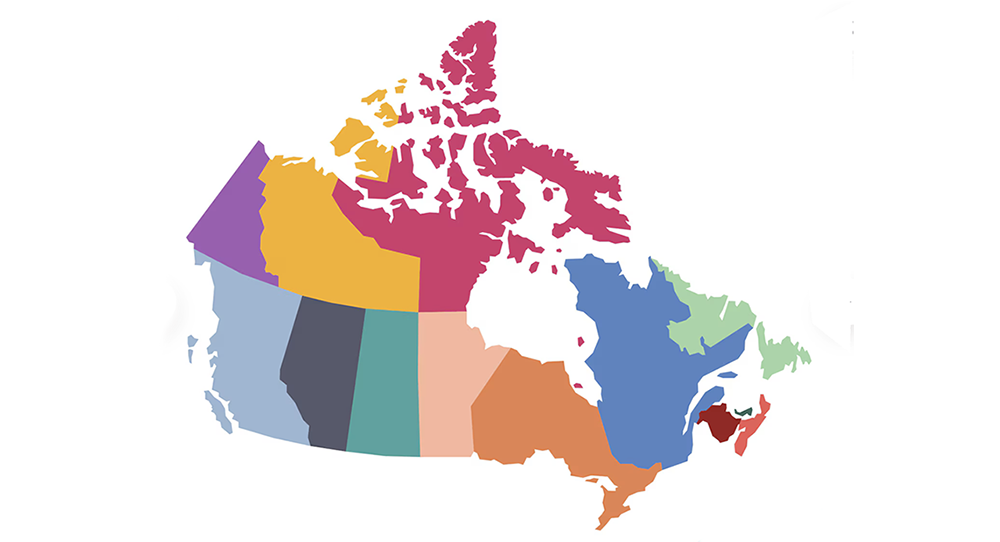
The good weather is here — time to explore more of Canada, coast to coast to coast. Few countries can match its sheer variety. Three coastlines, each telling a completely different story. Landscapes that shift from glacier-carved fjords and endless prairie skies to Pacific rainforests and Arctic tundra. A living mosaic of Indigenous cultures, French and English heritage, and generations of immigration that have shaped everything from city neighbourhoods to cuisine and art.
Canada isn't just big. It's endlessly surprising. Let's discover more about our country.
MANITOBA
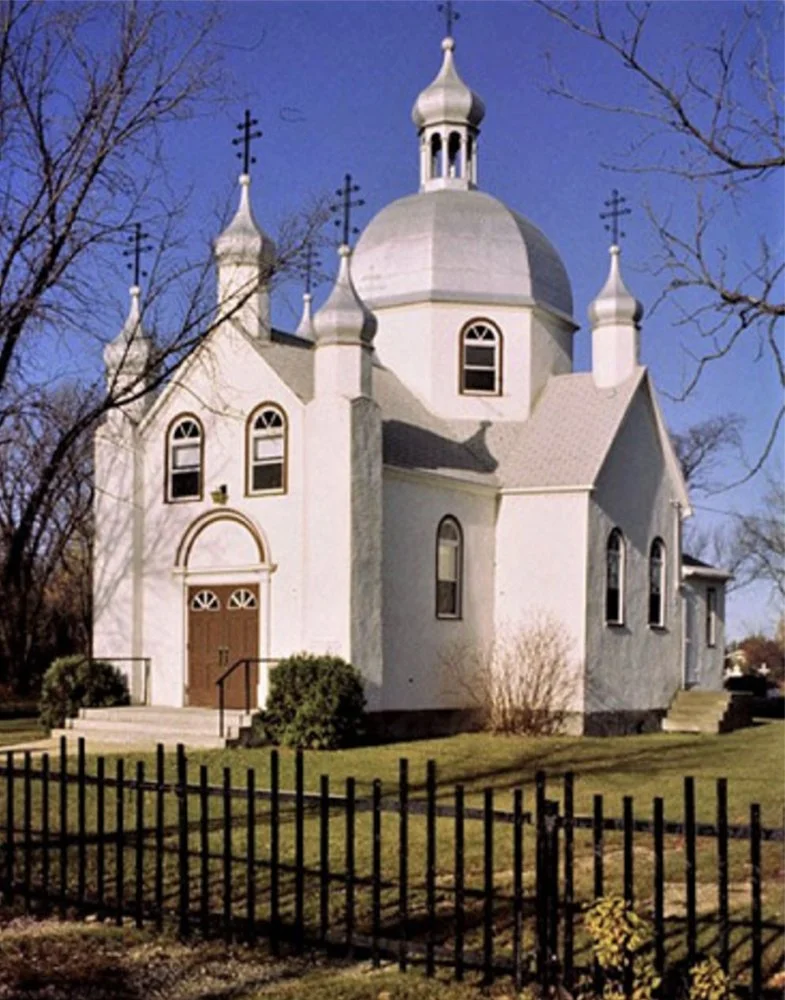
Ukrainian immigration is a cornerstone of prairie history. Beginning in the 1890s, settlers fleeing poverty and oppression under the Austro-Hungarian Empire came to Manitoba in search of a better life — drawn by the Canadian government's homesteading programs. Their legacy lives on in the many rural churches that still dot the landscape today.
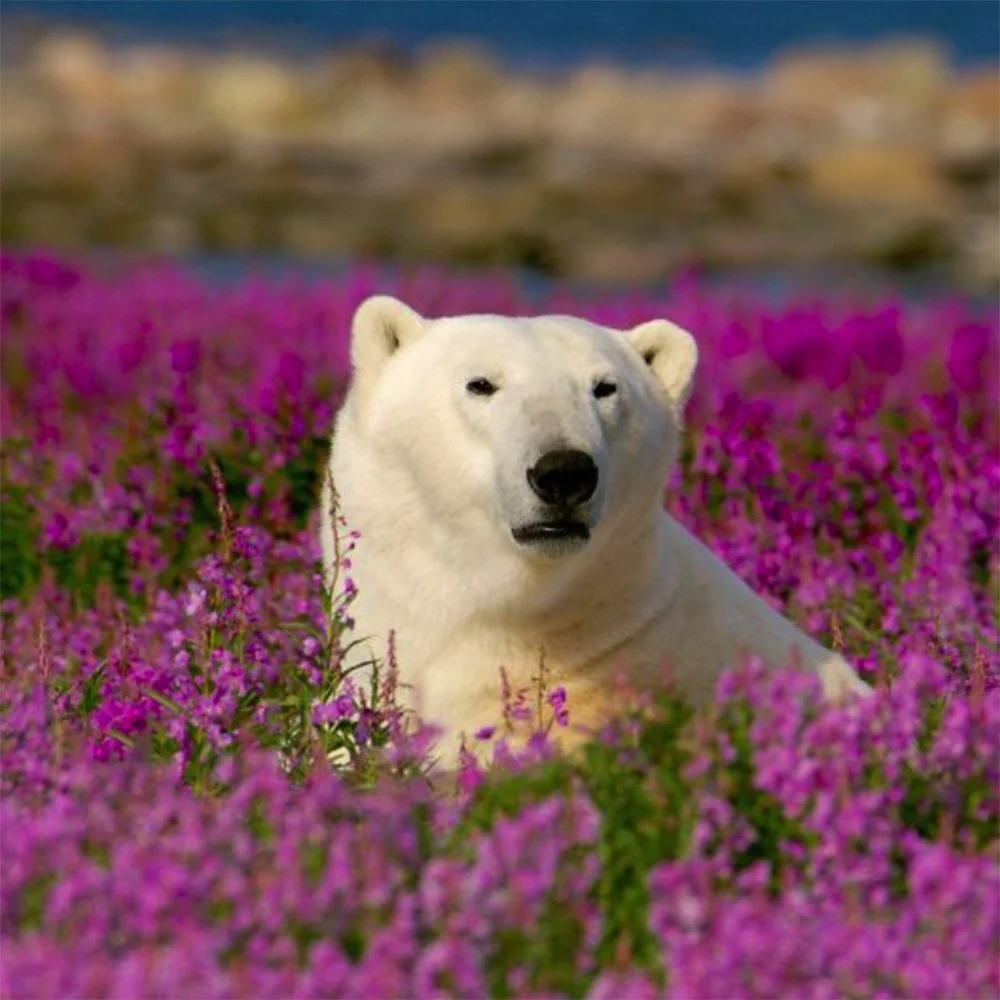
Known as the Polar Bear Capital of the World, the northerly port of Churchill is perfectly placed to view polar bears in the wild as they congregate and wait for the ice to form on Hudson Bay. Numbering almost 1,000 bears, Churchill boasts the most accessible polar bear population in the world.
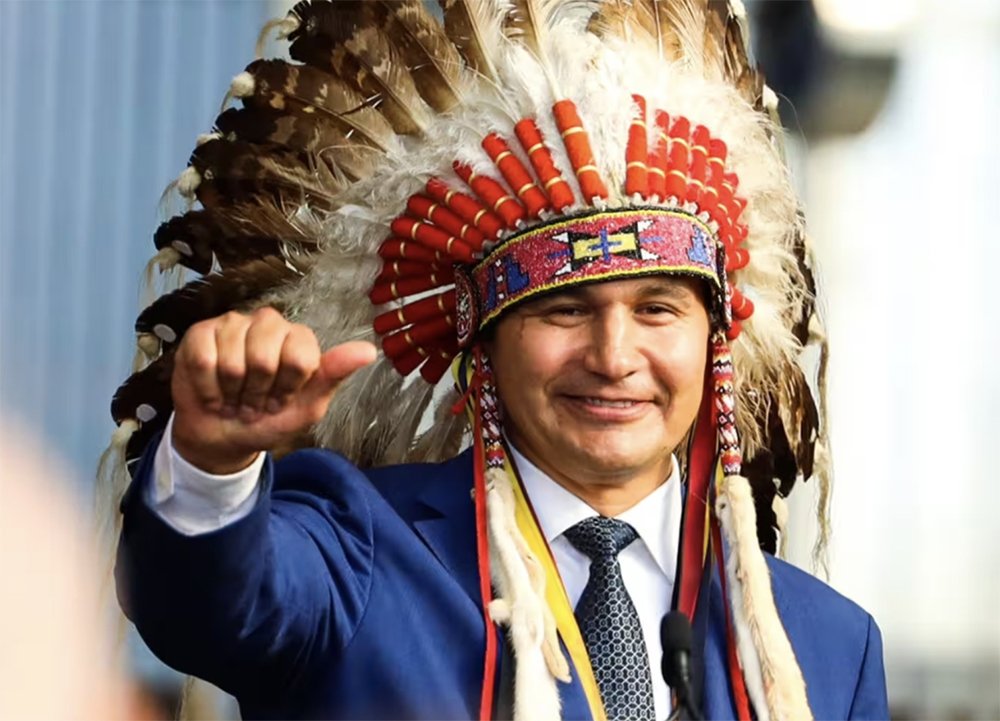
Wab Kinew, the Premier of Manitoba
Manitoba has a leader who bridges indigenous and heritage and modern politics. Wab Kinew is a dynamic premier who promotes human rights.
NUNAVUT
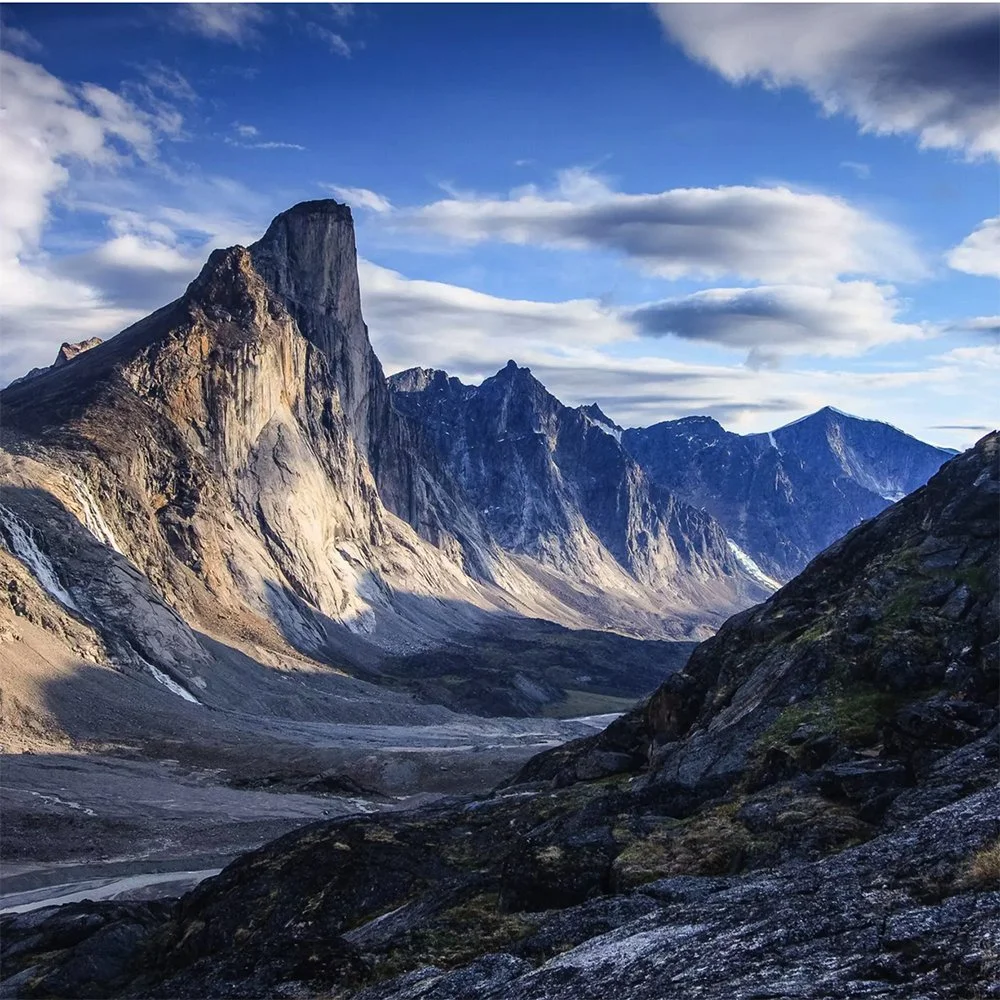
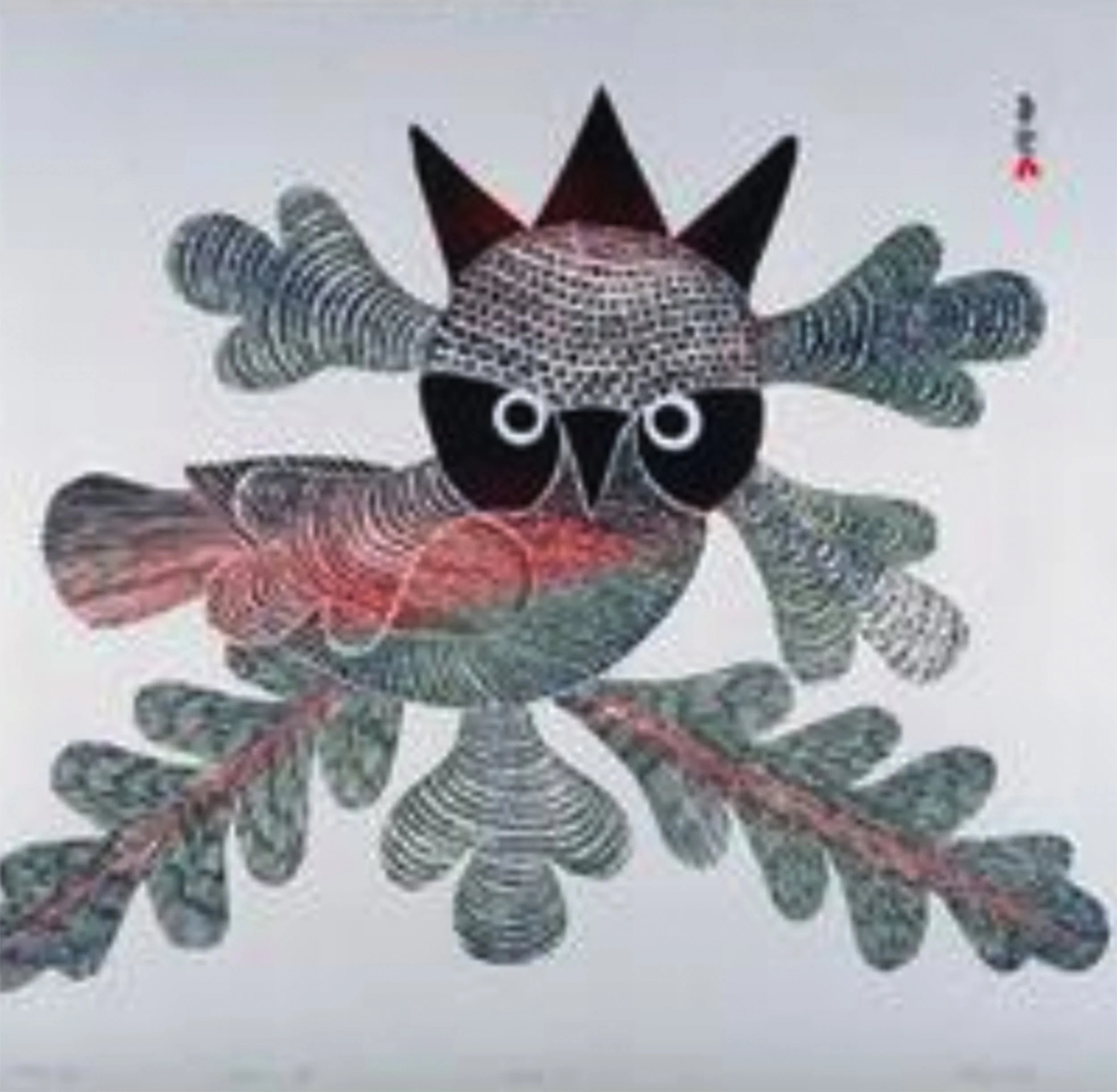
Learn about Inuit art directly from local creators by connecting with Northern artist co-operatives engaging with urban Inuit makerspaces, and attending artist talks at major cultural hubs. Supporting Indigenous creators directly ensures they earn fair wages while staying rooted in their communities.
NOVA SCOTIA
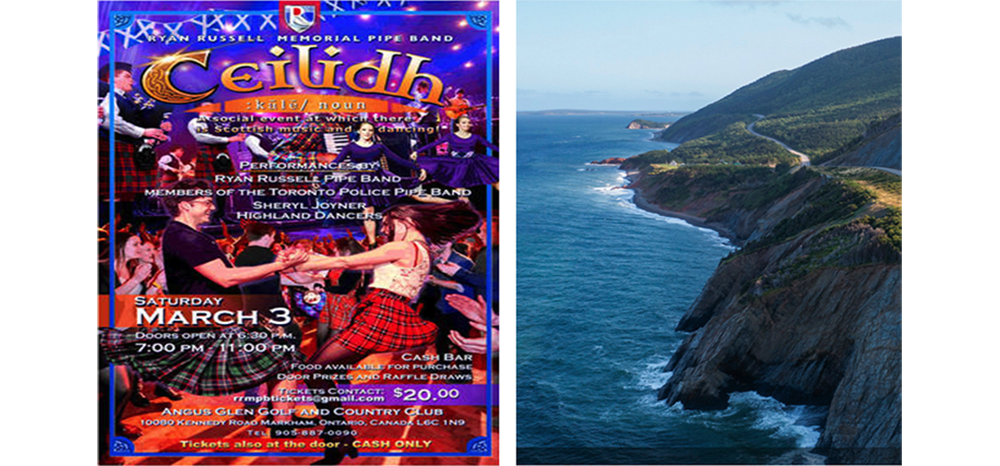
A ceilidh is a traditional Scottish and Gaelic social gathering featuring live fiddle music, step dancing, story telling, and square sets.
The Cabot Trail is often celebrated as one of the most scenic drives in the world. Cabot Trail tells a story that dates back to early explorers and Indigenous communities. Nestled within the breathtaking landscapes of Cape Breton, Nova Scotia, this iconic highway offers not only stunning vistas but also a rich tapestry of history and culture.
ONTARIO
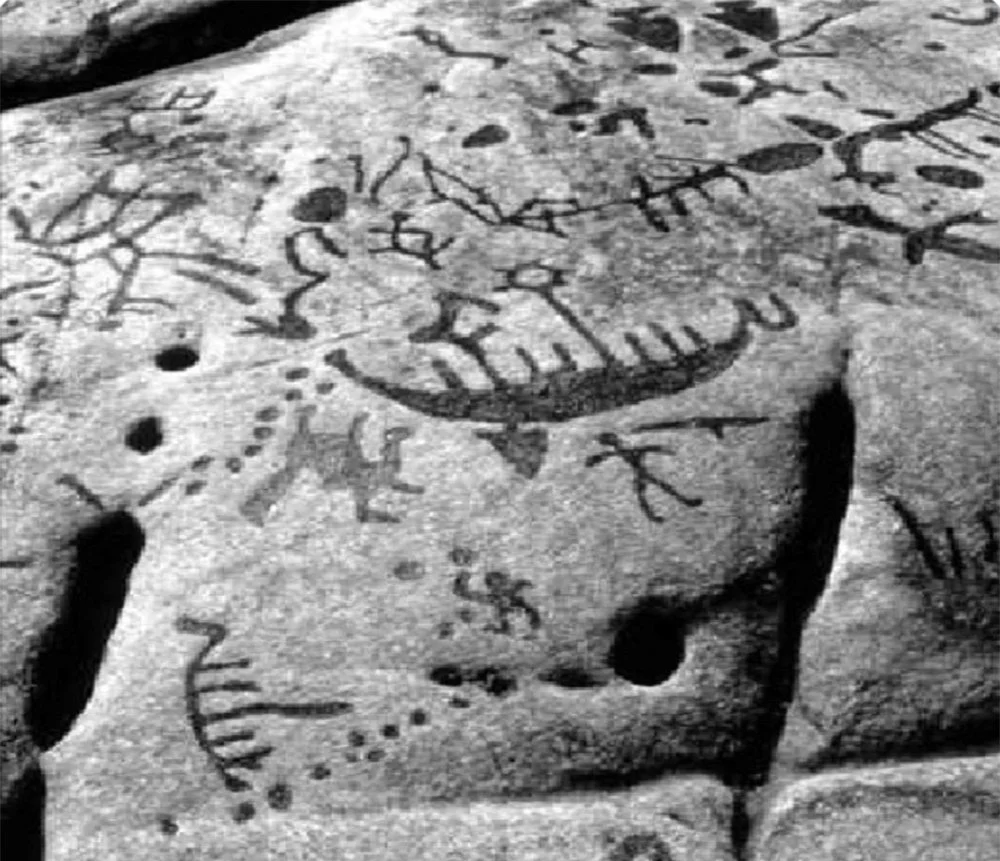
Ontario’s rich Indigenous history spans over 11,000 years, shaped by the Anishinaabe (including Ojibwe, Odawa, and Potawatomi), Haudenosaunee, Huron-Wendat, Cree, and Métis peoples. Discover ancient rock art at Petroglyphs Provincial Park and experience the rich cultural tapestry of Manitoulin Island, the world's largest freshwater island.

Sip world-class vintages and ice wine along the Niagara-on-the-Lake wine route. Global Recognition: The region is a dominant global player, regularly sweeping top awards at international competitions.
QUEBEC
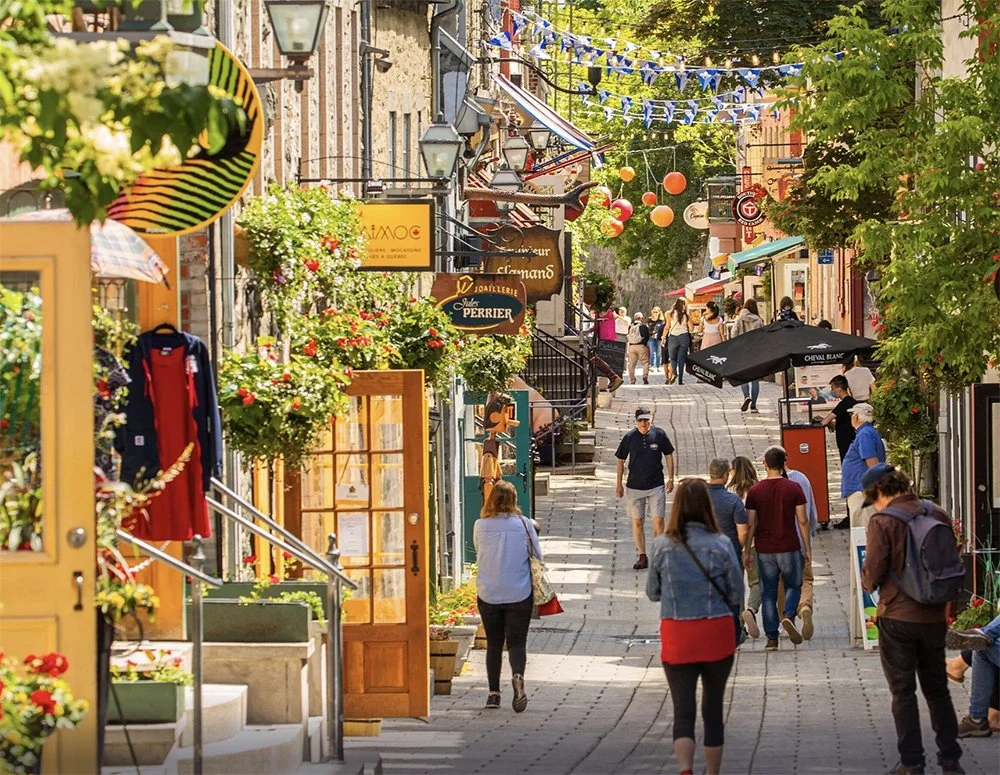
Quartier du Petit-Champlain: Often celebrated as one of North America's most beautiful and pedestrian-only streets, this area features narrow, cobblestone pathways, colorful facades, flower-filled window boxes, and local boutiques.
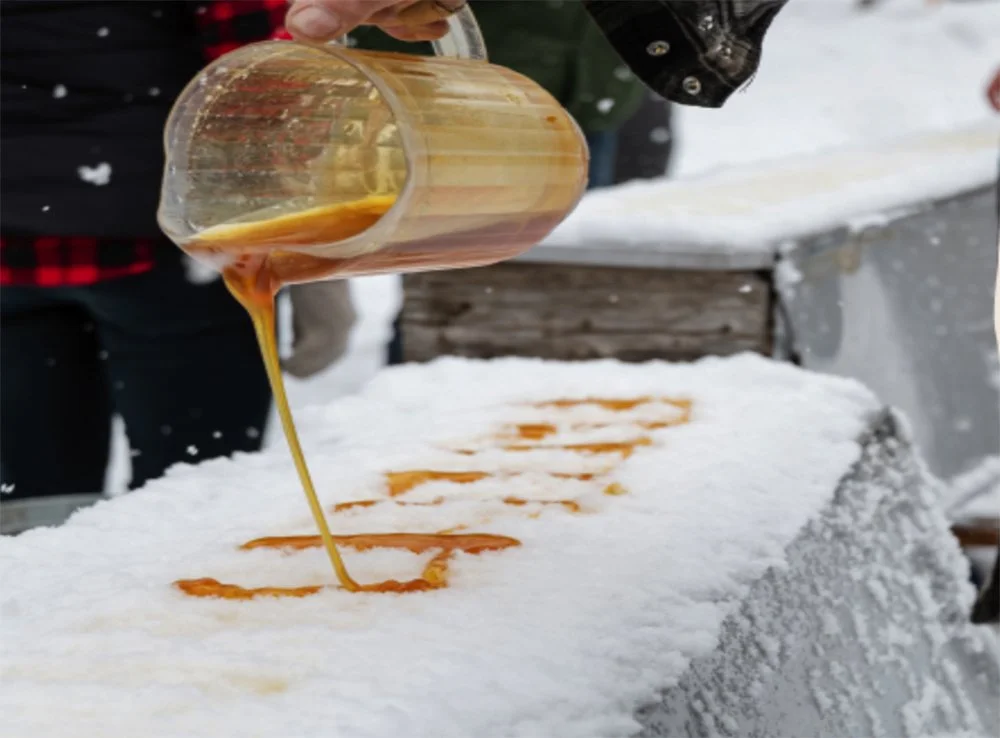
A sugar shack (cabane à sucre) visit is a quintessential Quebec spring tradition.
ALBERTA is well known for many reasons: a fully deregulated energy market, for being the gateway to the Rockies, having 6 UNESCO world sites, the Stampede. And much more.
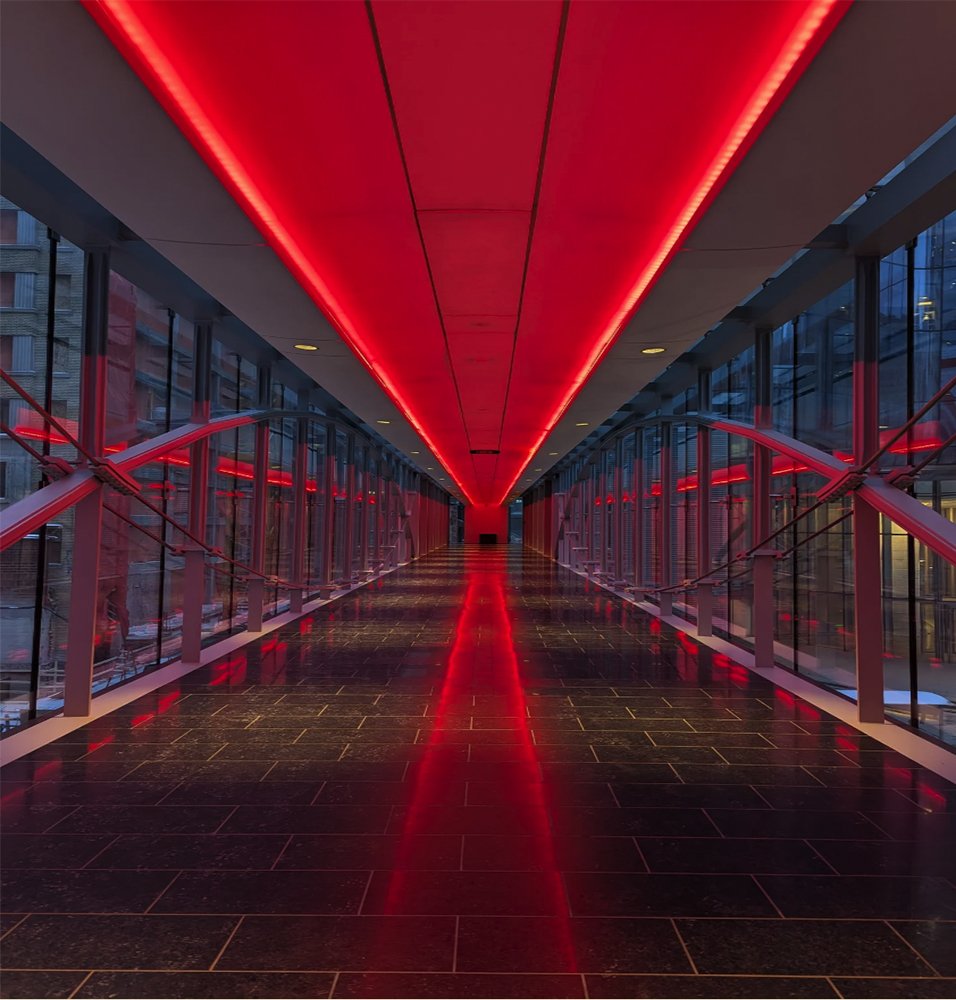
Calgary’s most famous covered walkway network is the Plus 15 (+15). It is the world’s most extensive pedestrian skywalk system, featuring 16 kilometres of elevated, climate-controlled walkways and 86 bridges that connect over 130 downtown buildings.
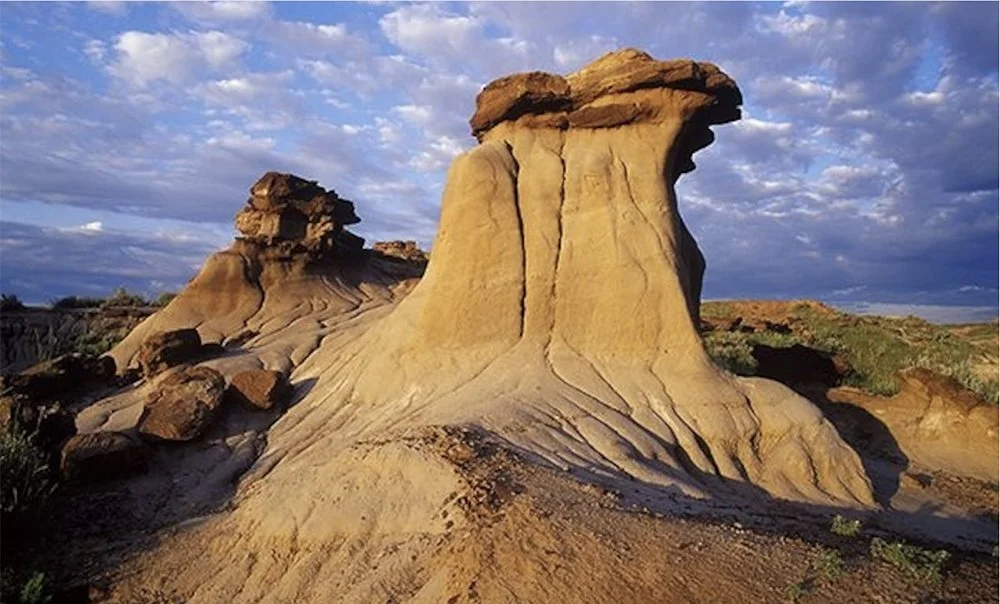
Alberta is Dinosaur Country. The rugged Canadian Badlands (specifically Drumheller and Dinosaur Provincial Park) are famous for containing some of the most significant, well-preserved dinosaur fossil discoveries in the world, housed at the Royal Tyrrell Museum.
BRITISH COLUMBIA
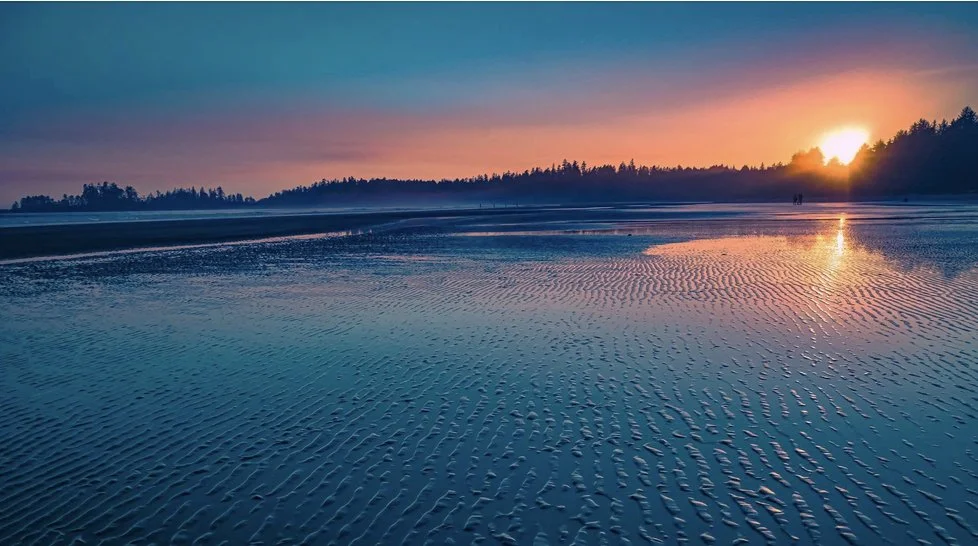
Tofino, British Columbia, offers some of Canada's most magical sunsets and rugged, ancient rainforest coastlines. Located on Vancouver Island, it is the perfect launchpad for wild, oceanfront adventures and golden-hour beach walks.
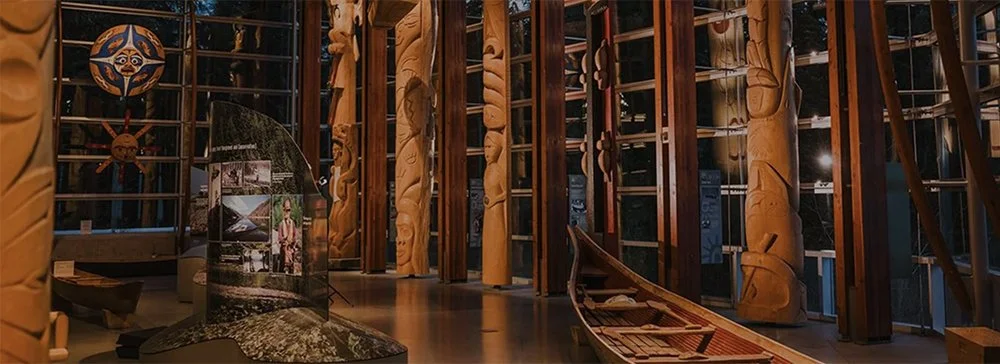
Rich Indigenous Culture - B.C. features a massive diversity of Indigenous cultures. Explore the Squamish Lil'wat Cultural Centre in Whistler or sip wine at Nk'Mip Cellars in the Okanagan Valley, which is North America's first Indigenous-owned winery.
NEWFOUNDLAND
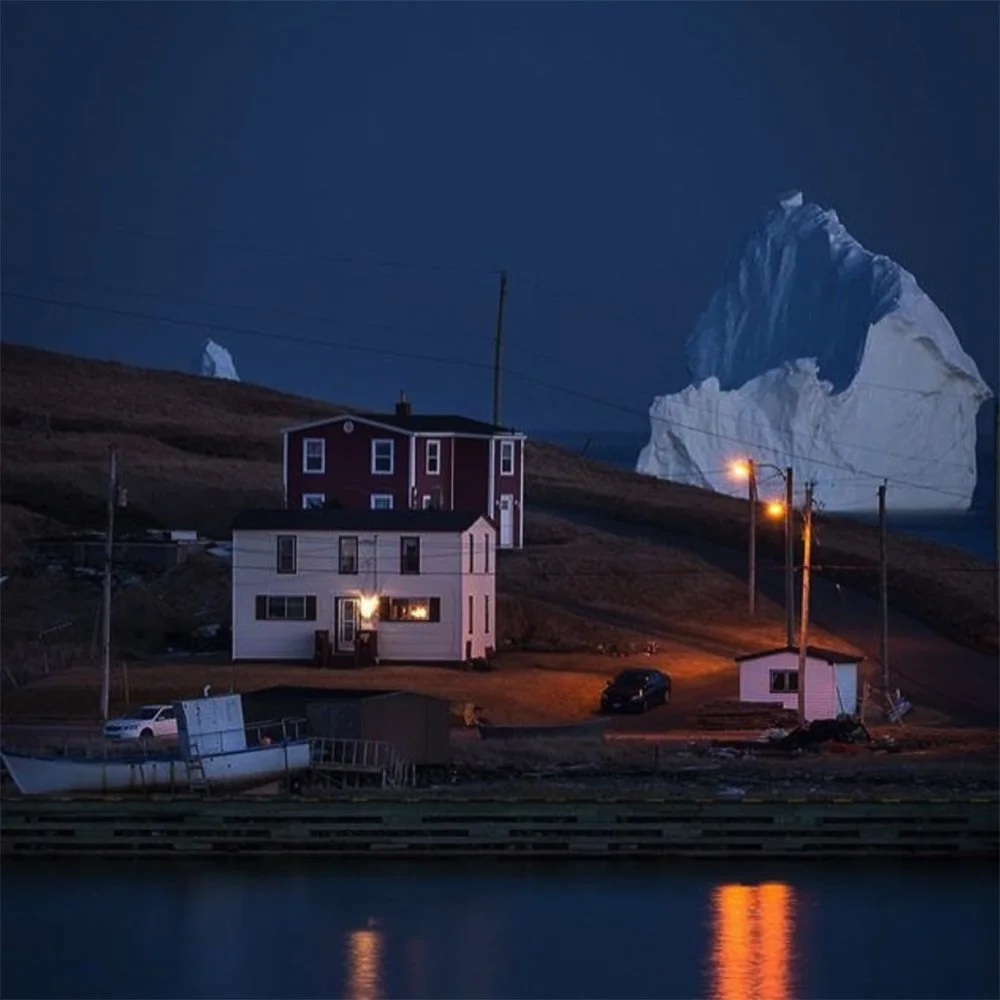
The Newfoundlanders I’ve met have been the funniest, cleverest, truest and kindest people.
I plan to join them during Iceberg Season. At its peak, ancient glacial giants up to 10,000 years old drift down "Iceberg Alley" past Twillingate, with anywhere from 10 to 50 spotted off the East Coast and Northern Grand Banks at a time.
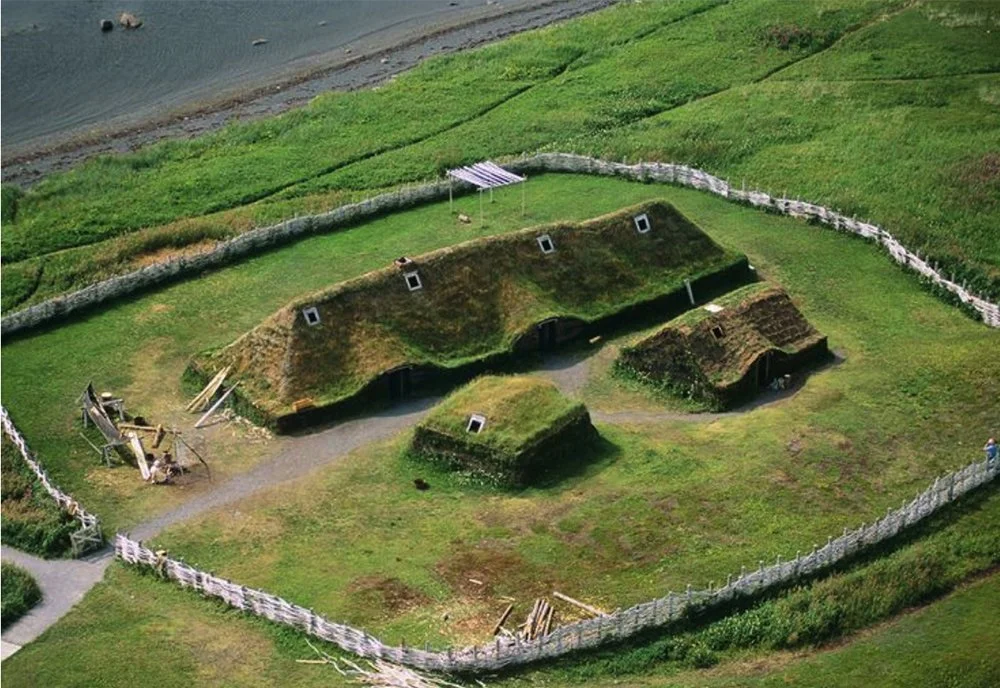
L’Anse aux Meadows is a fascinating UNESCO site where the Vikings first established a settlement in North America over 1,000 years ago. We look forward to standing in history.
NEW BRUNSWICK
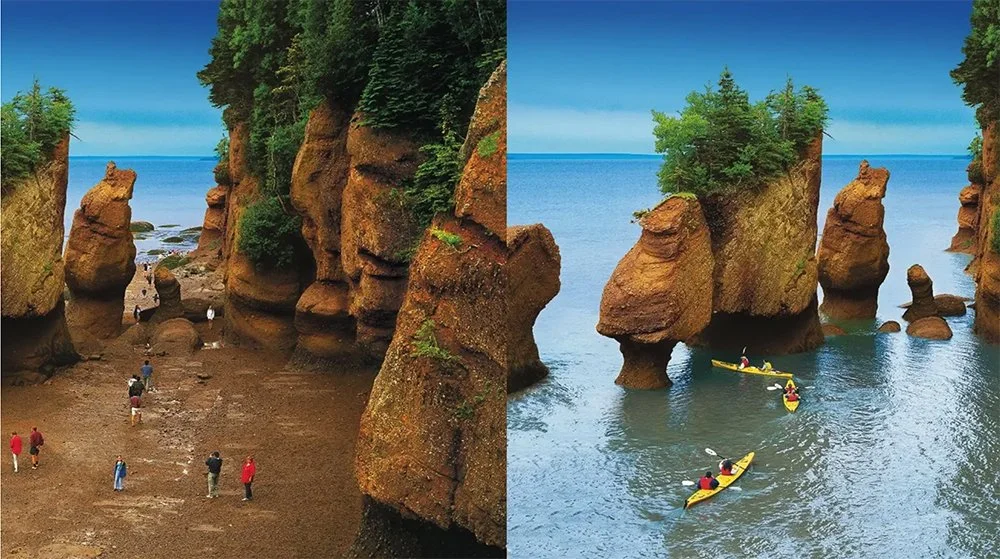
Bay of Fundy - Some places demand superlatives — biggest, highest, deepest, grandest. Others simply defy words and let the feeling speak for itself. At Hopewell Rocks, twice daily, around 100 billion tonnes of water rush in and out, creating tidal ranges of up to 16.8 meters (55 feet).
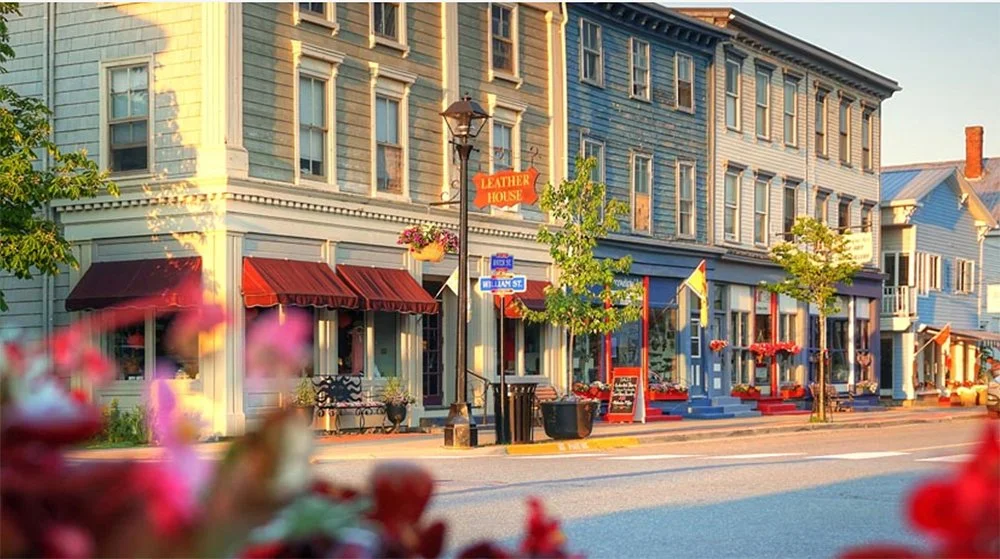
St. Andrews-by-the-Sea is one of New Brunswick's crown jewels — a seaside town where Loyalist history, 18th-century architecture, and a relaxed maritime charm make it feel like stepping back in time.
SASKATCHEWAN

The Remai Modern is a renowned museum of modern and contemporary art in Saskatoon, located on Treaty 6 Territory and the homeland of the Métis. A must visit.
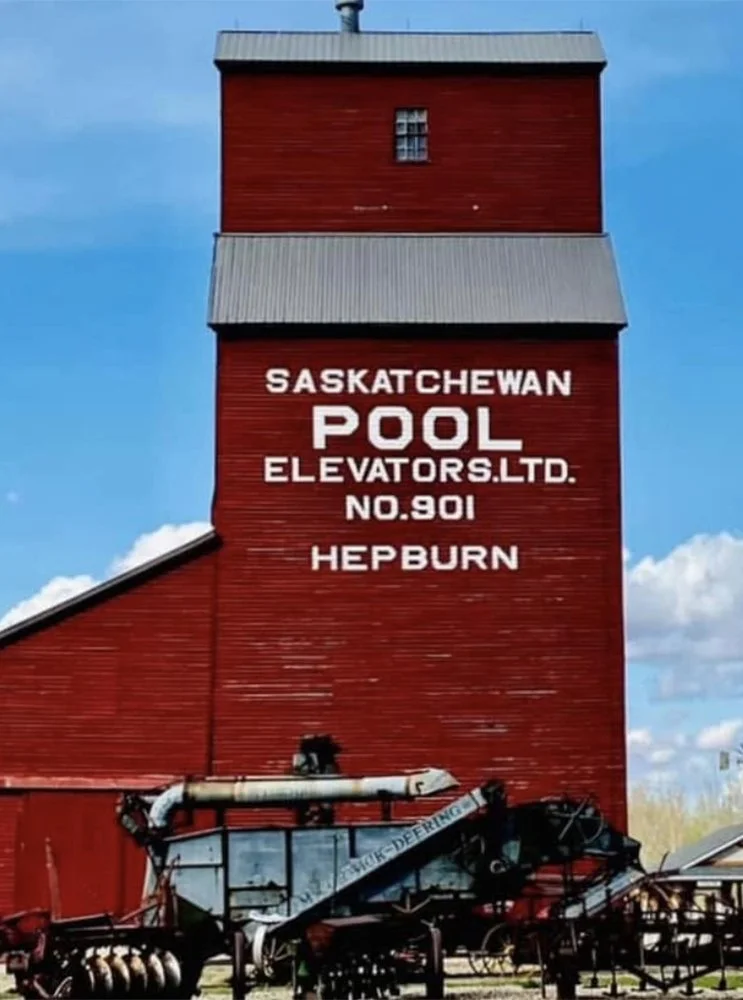
The Hepburn Museum of Wheat is a seasonal agricultural heritage museum centered around a beautifully preserved 1928 Saskatchewan Wheat Pool grain elevator. It serves as a rare, historical monument dedicated to early prairie farming, the CanadianNational Railway (CNR), and pioneer settlement life.
PRINCE EDWARD ISLAND
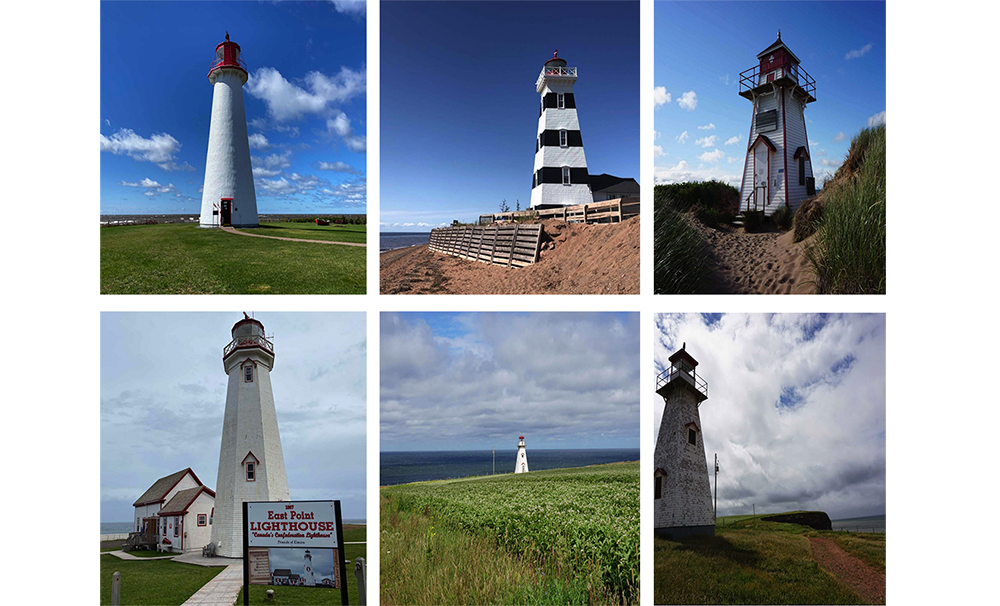
Lighthouse Hopping: With the highest concentration of lighthouses in North America, key stops include the black-and-white striped West Point Lighthouse and Point Prim, PEI's oldest lighthouse.
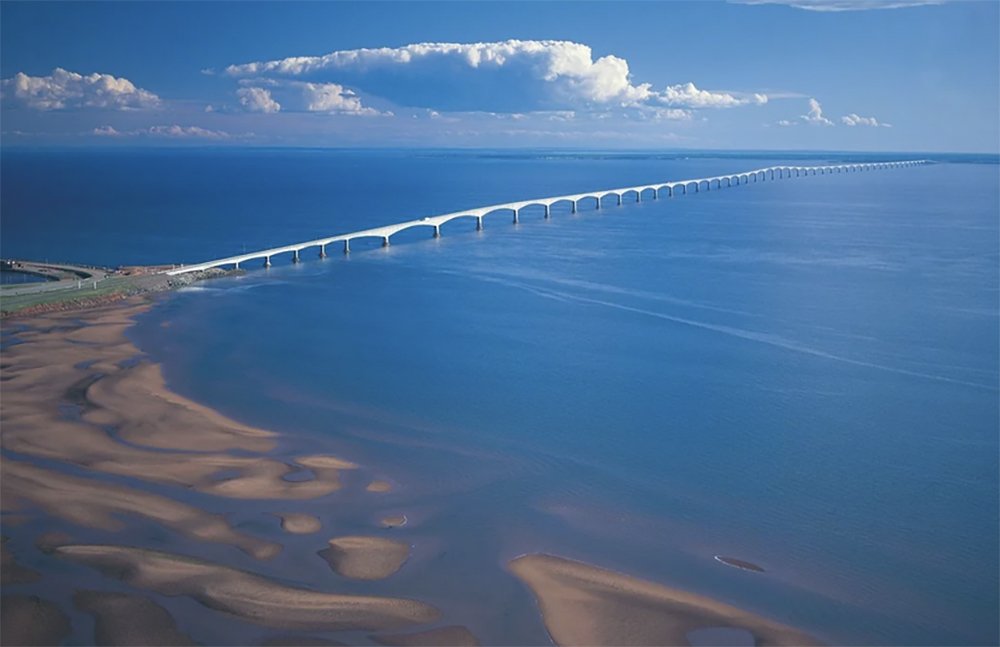
The Confederation Bridge is the longest bridge in the world spanning ice-covered waters, connecting New Brunswick to PEI.
The next nationwide Terry Fox Run takes place on the Bridge on Sunday, September 20, 2026. Canada has its heroes.
NORTH WEST TERRITORIES
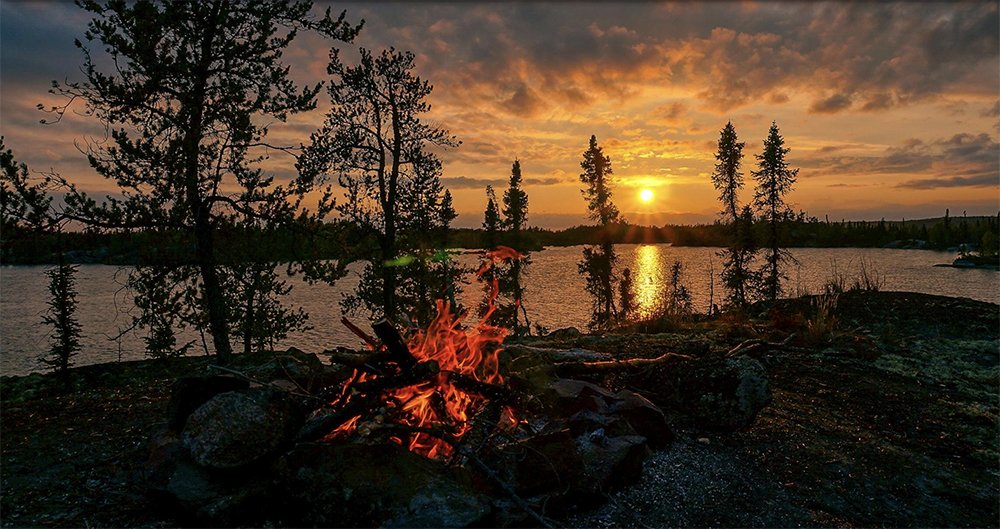
Inuvik enjoys the midnight sun from roughly May 24 to July 19. Experiencing the midnight sun near Inuvik, Northwest Territories (located two degrees above the Arctic Circle), is an unforgettable Arctic adventure. During this time, the region experiences 56 days of 24-hour daylight, offering endless opportunities to explore the tundra and waterways in perpetual golden light.
YUKON
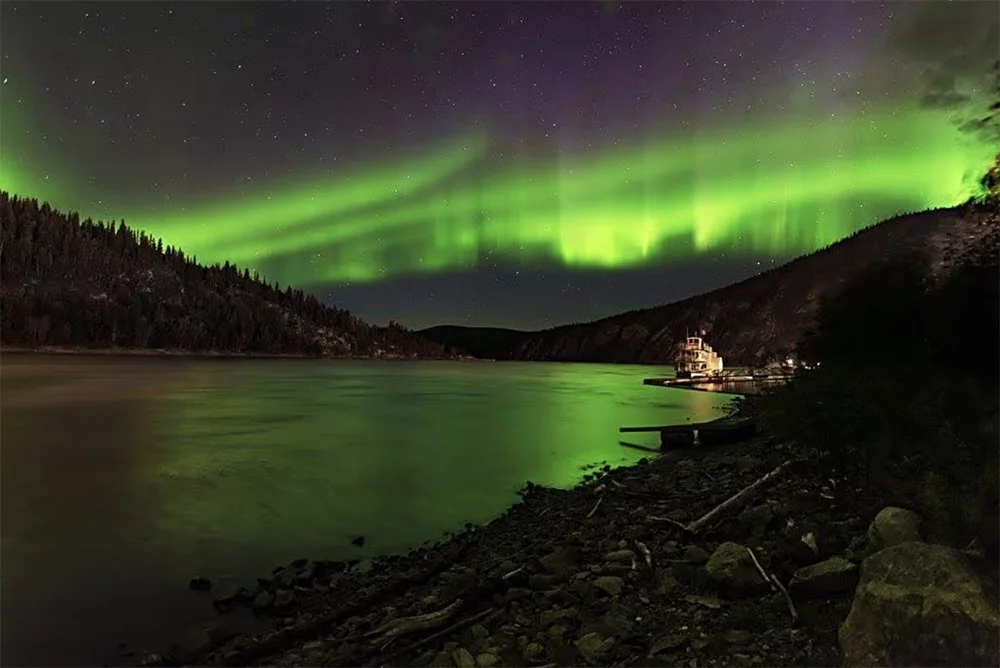
The Yukon is one of the world's premier destinations for viewing the aurora borealis, thanks to its pristine, dark skies and high latitude. The viewing season runs from late August to mid-April, offering prime opportunities to witness nature’s light show.
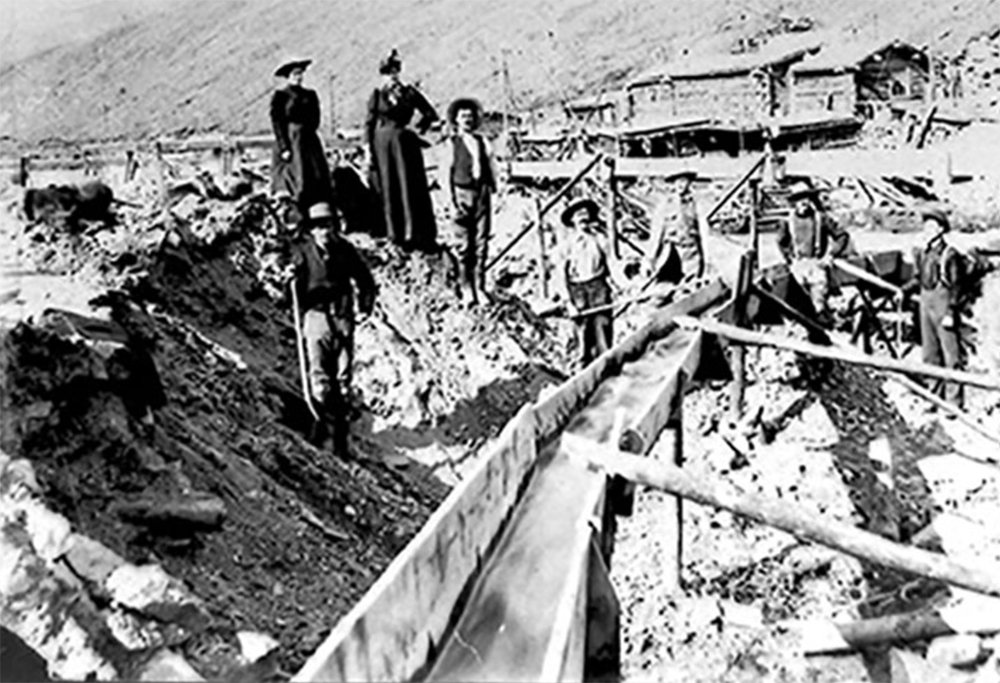
The major 1890s gold rush was the Klondike Gold Rush, which took place in the Klondike region of the Yukon in northwestern Canada, centered around Dawson City. It began in 1896 and changed the First Nations camp into a thriving city of 16,000–17,000. By 1899, the gold rush had ended and the town's population plummeted as all but 8,000 people left.
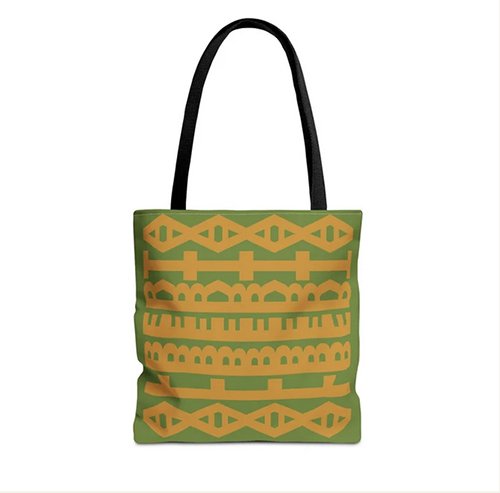
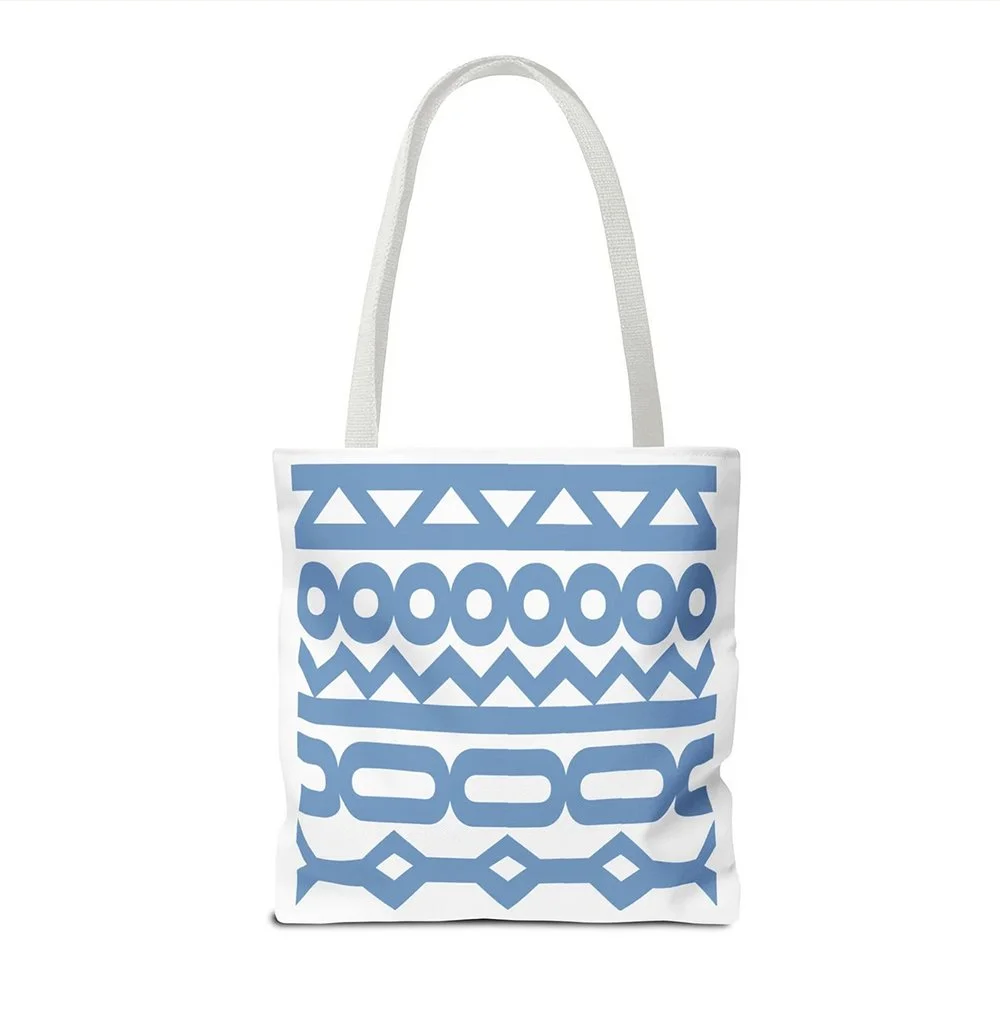
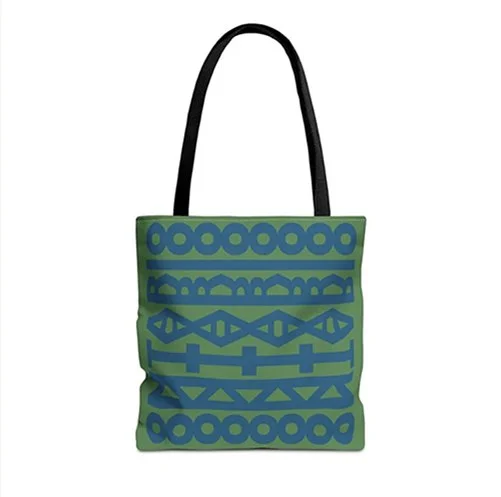
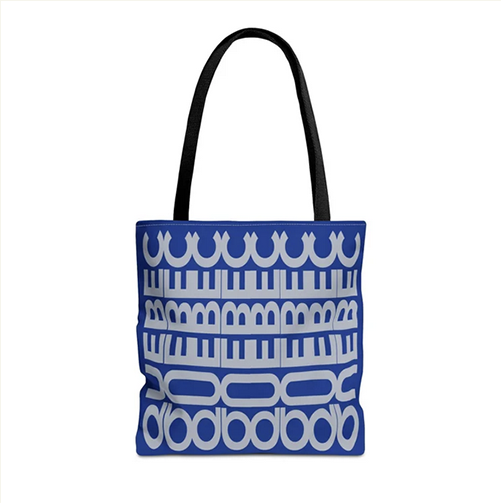
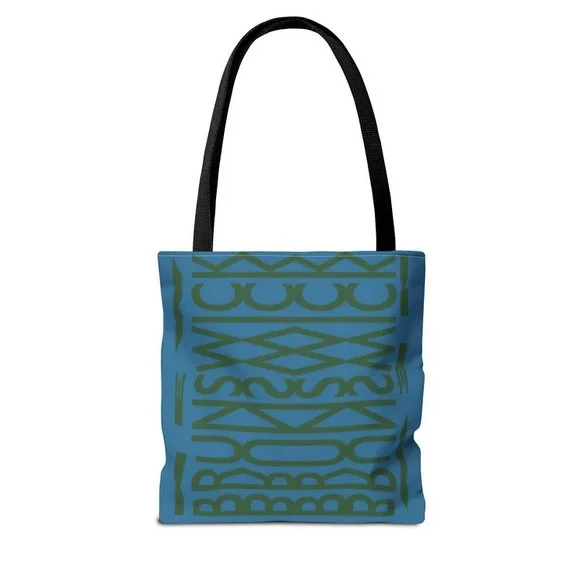
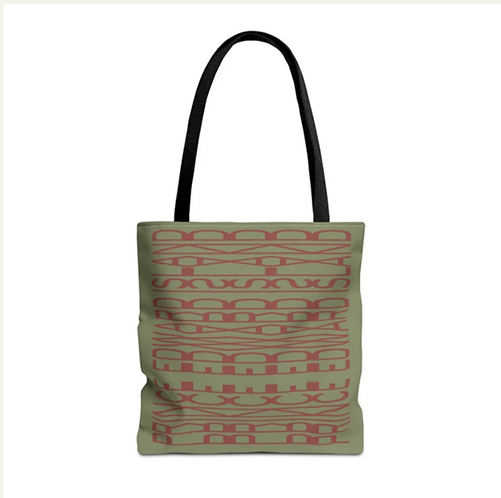
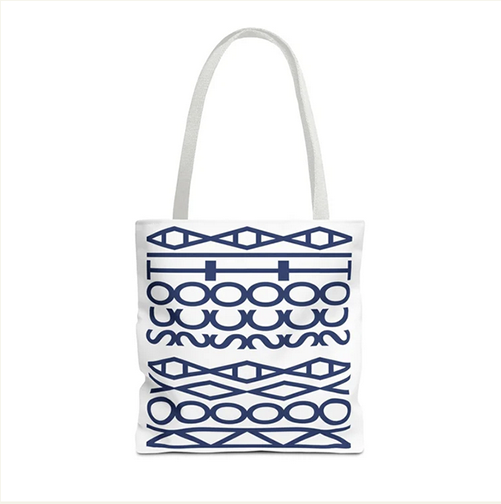
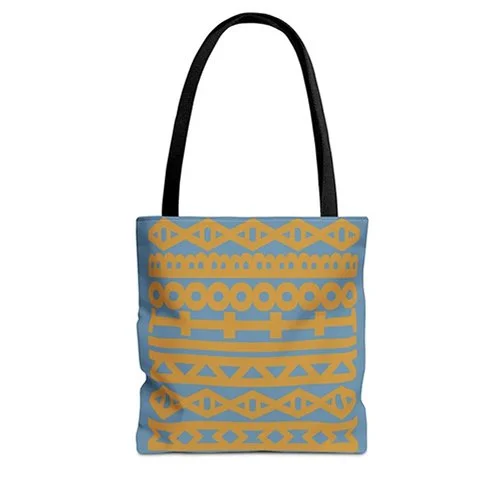
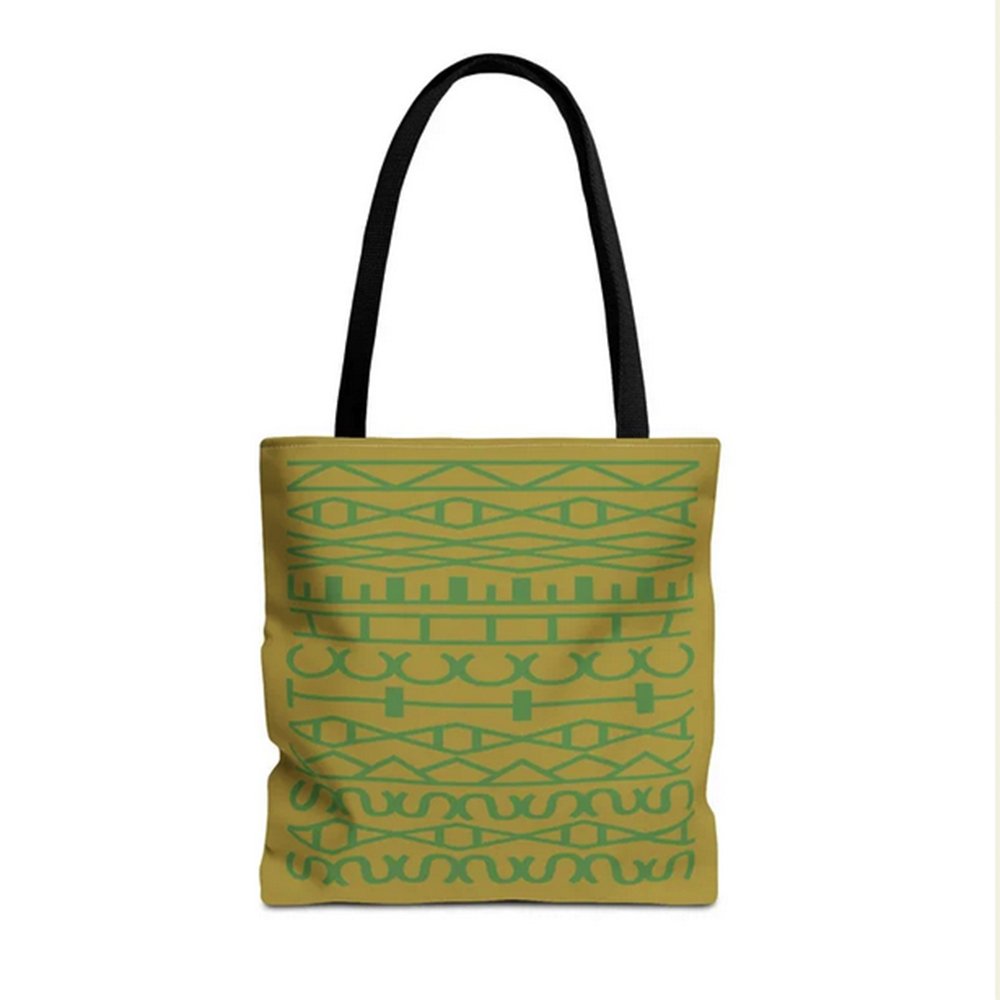
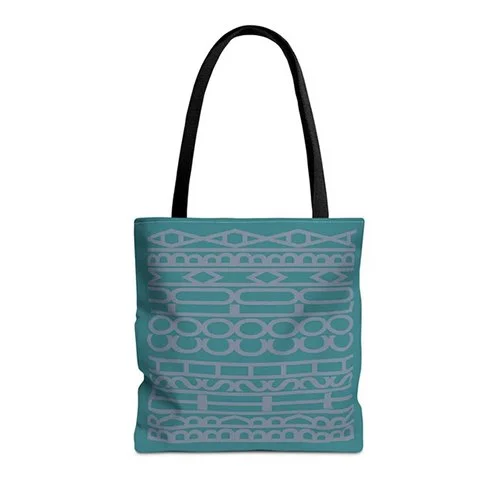
CANADIANA TOTE BAGS
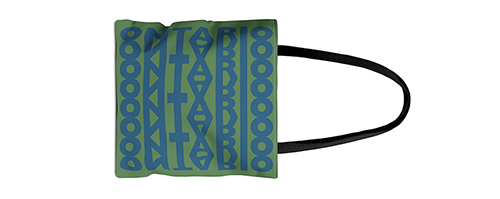
We've just launched a collection of Canadiana tote bags. They're unlike anything we've made before — one for each Canadian province and territory, each designed in its official colours. Whether you're repping your home province or collecting them all, these bags are a little piece of Canada you can carry wherever you go. Practical, meaningful, and unmistakably Canadian.
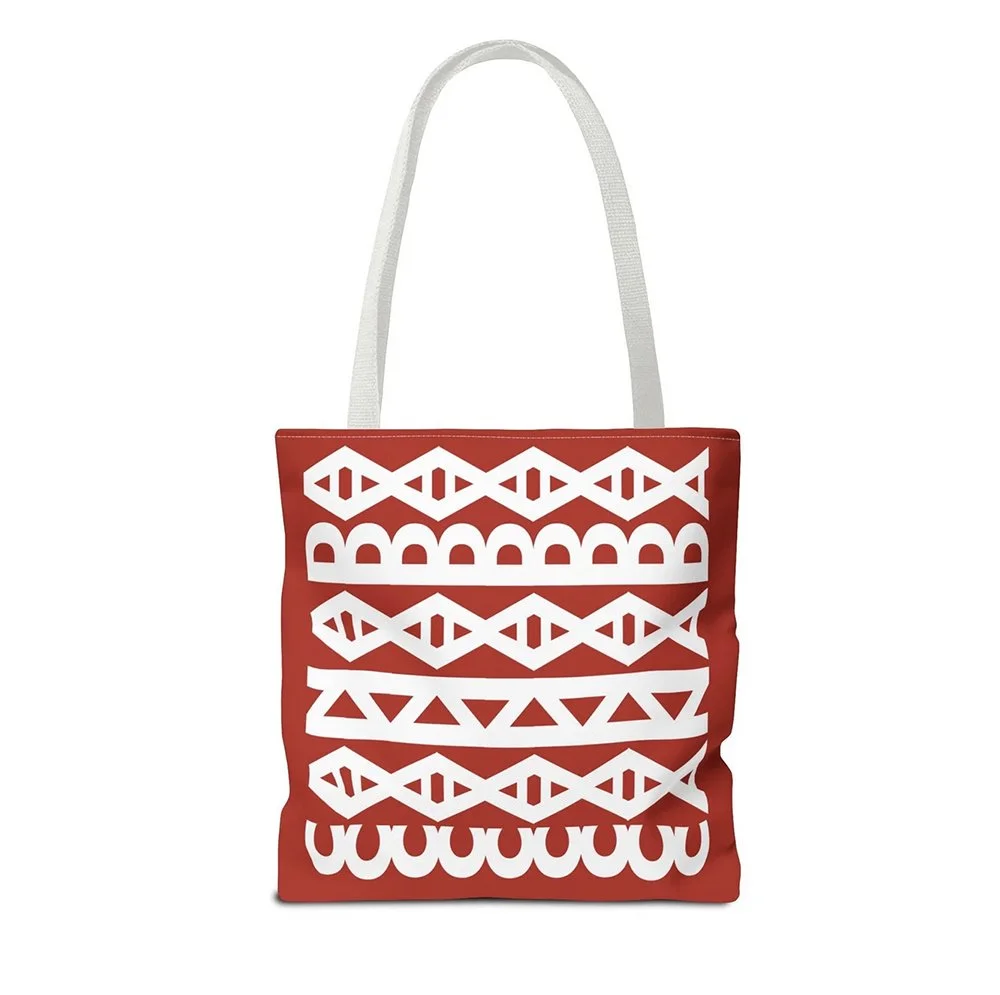
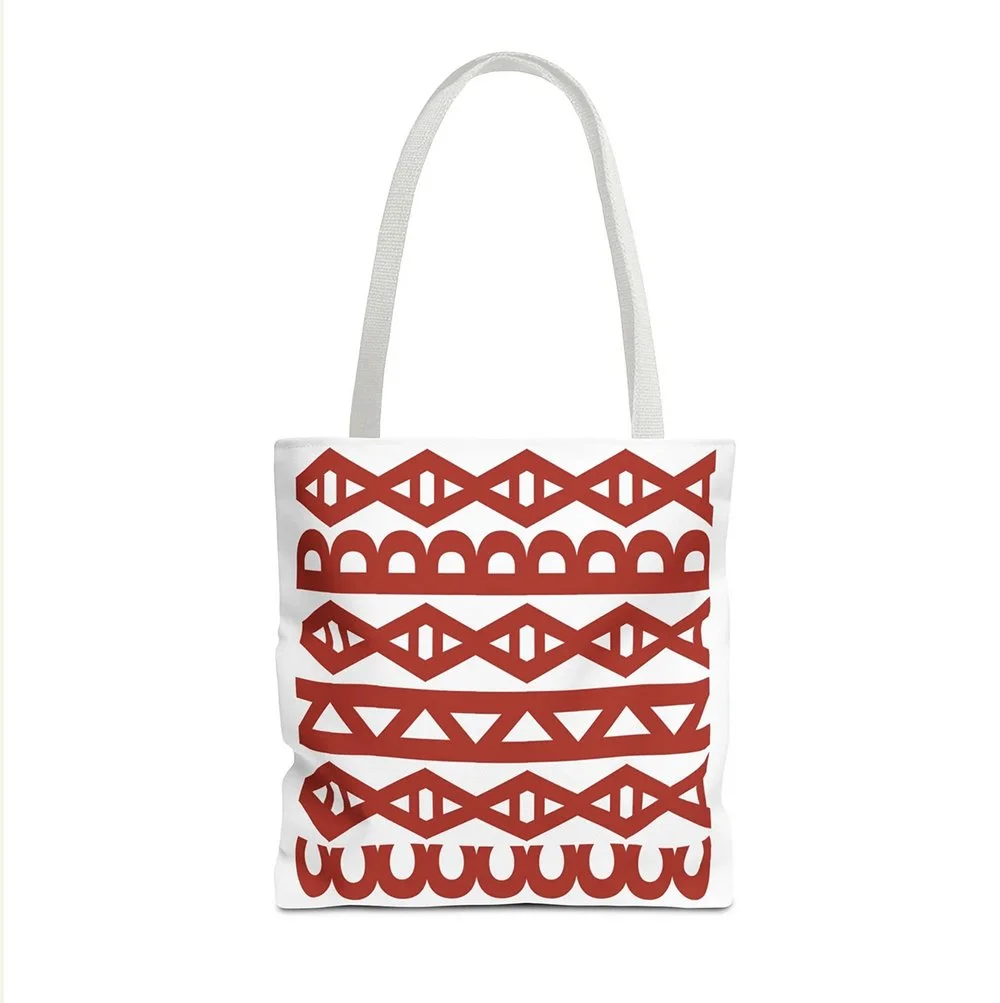
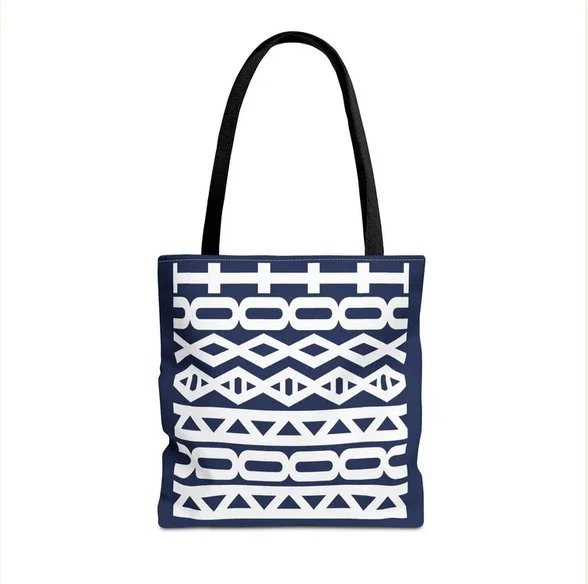

Travel on. Travel curious .
Courage Drifter