
Libraries Are Beautiful
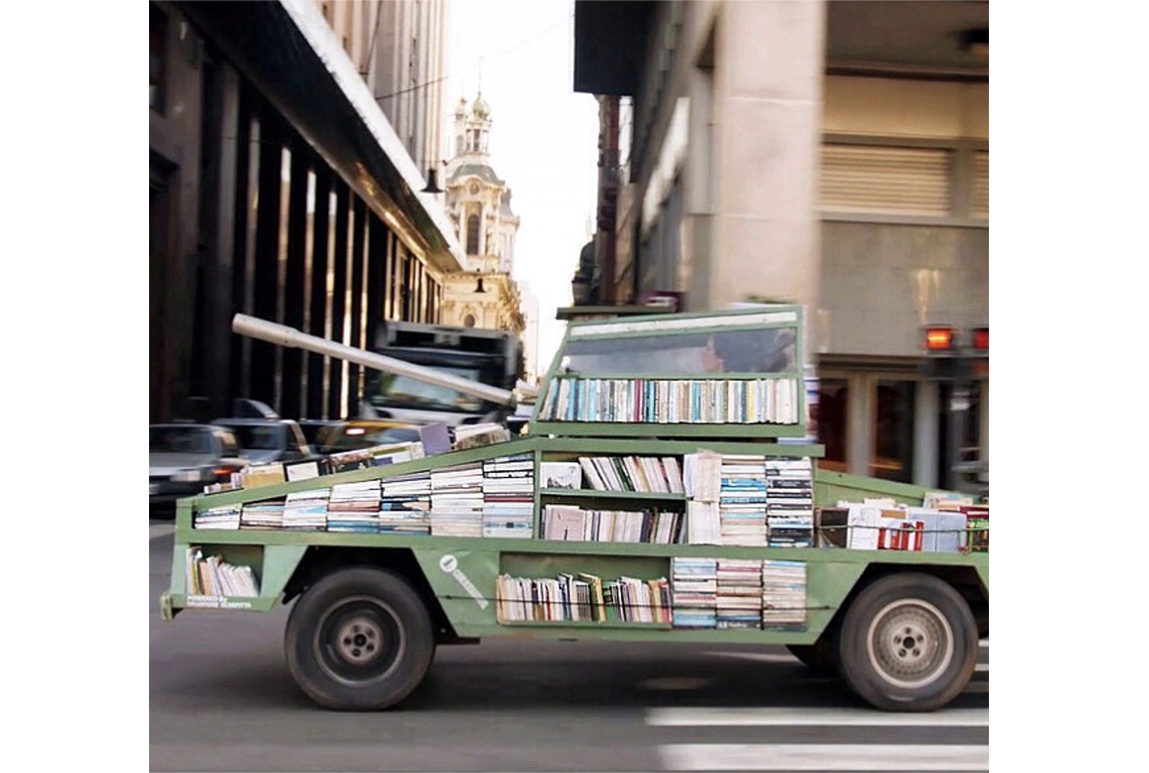
Libraries have outlasted every technology that was supposed to replace them — radio, television, the internet. AI is simply their next chapter.
Libraries range from grand to small, old to new — but all share one thing: purpose. Knowledge is the prize. It always has been.

The St. Catherine's Monastery sits on Egypt's Sinai Peninsula. It was founded by Emperor Justinian between 527 and 565 CE. It holds the world's second-largest collection of early codices and manuscripts, surpassed only by the Vatican.

Biblioteca Capitolare (Verona, Italy) 517 CE (origins trace back to 380 CE). One of the the world's oldest library still in operation, it is a stunning treasure trove of early Italian documents and manuscripts once frequented by famous poets like Dante and Petrarch.
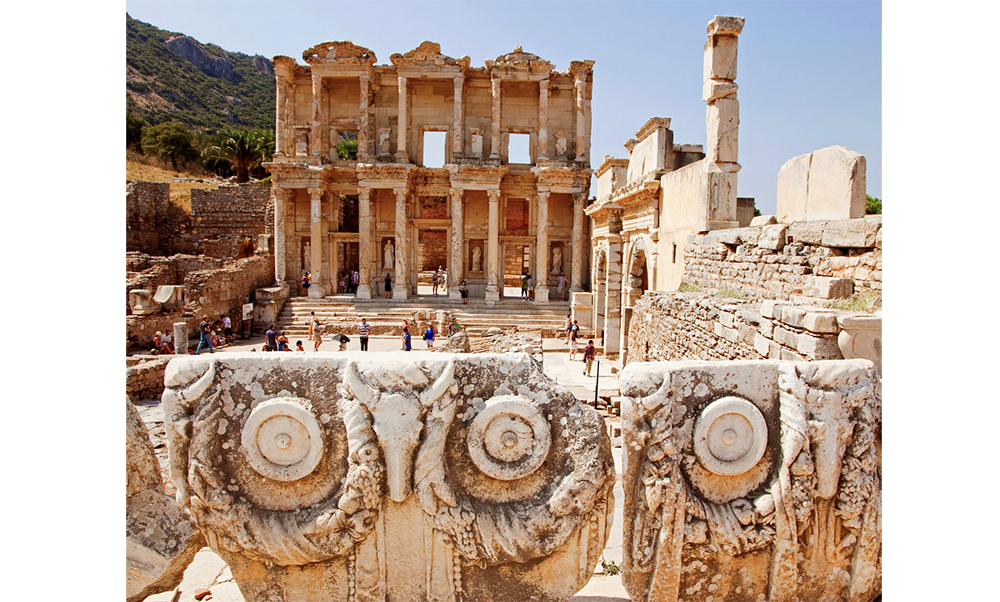
The Library of Celsus in ancient Ephesus, located in western Turkey, was a repository of over 12,000 scrolls and one of the most impressive buildings in the Roman Empire. Constructed in the 2nd century CE, it was named after the city's former Roman governor.
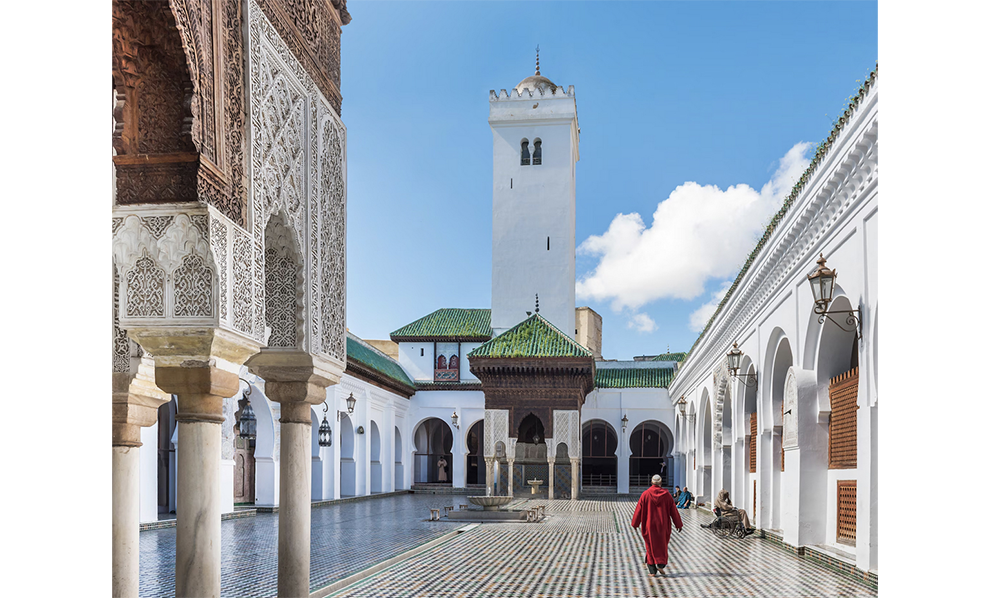
The Al-Qarawiyyin Library in Fez, Morocco, is one of the oldest continuously operating library in the world. It was founded in 859 CE by a visionary and devout Muslim woman named Fatima al-Fihri.
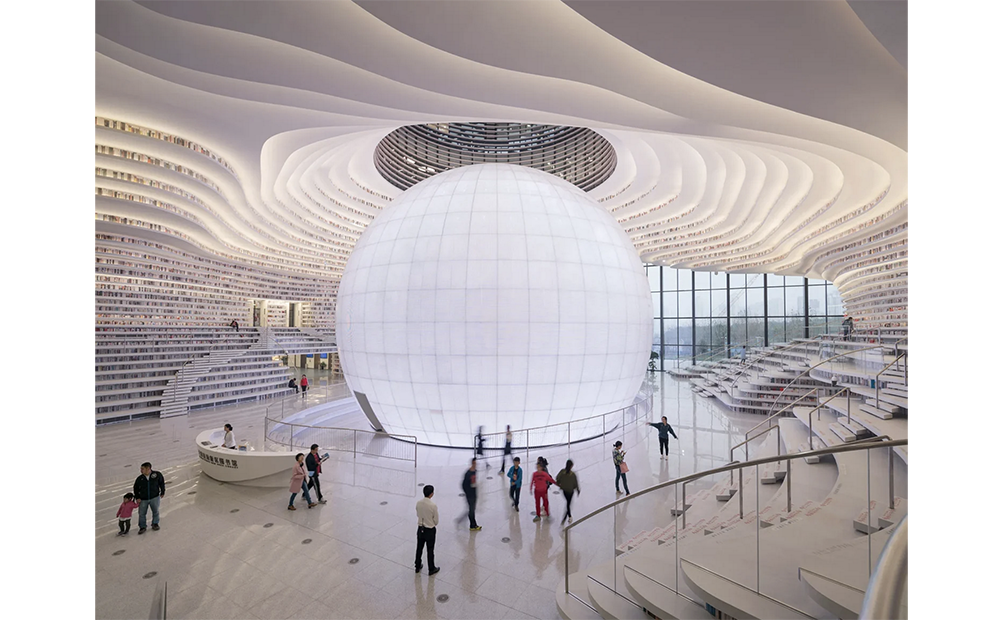
The Tianjin Binhai Library in China is not only a staggering architectural achievement, it holds the title of the largest library in the world by floor space. Located in Tianjin, the facility boasts over 1.2 million books and spans nearly 360,000 square feet. Its futuristic design features flowing white shelves, soaring ceilings, and a central glowing sphere that gives the space a surreal, eye like appearance.
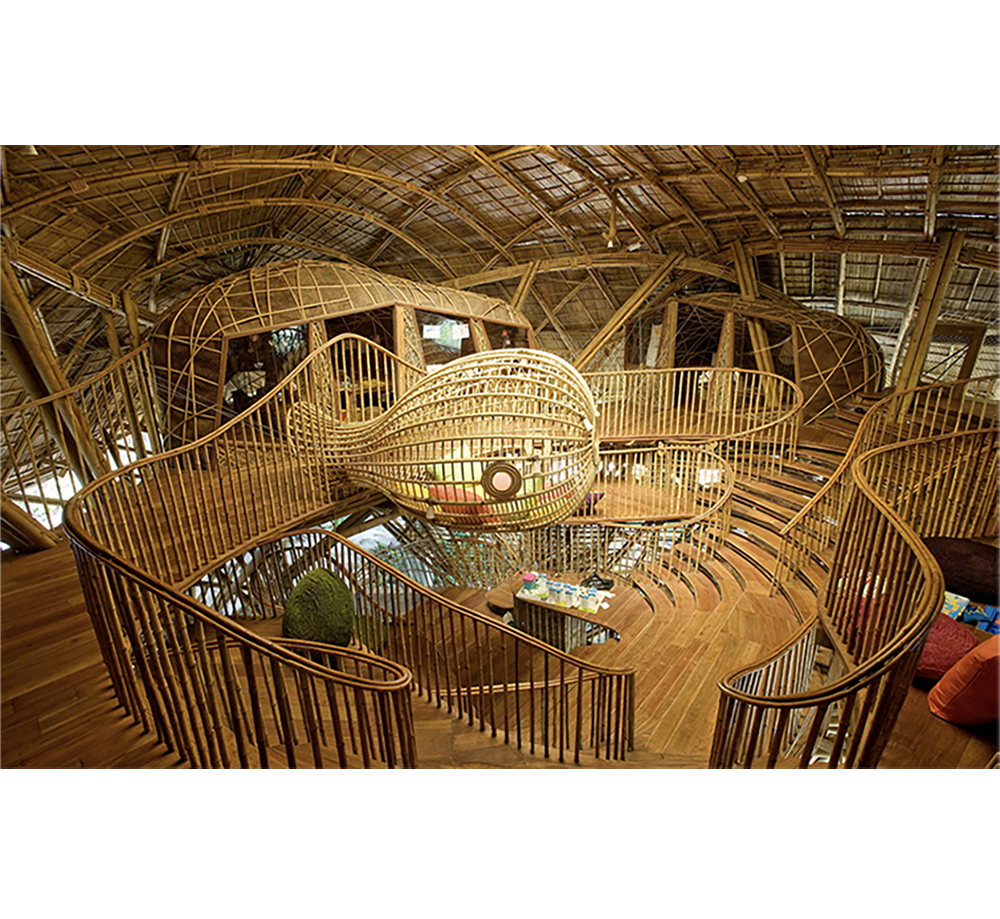
Shaped like a giant treehouse, Thailand's Soneva Kiri children’s library boasts suspended reading rooms and rainforest skylights.
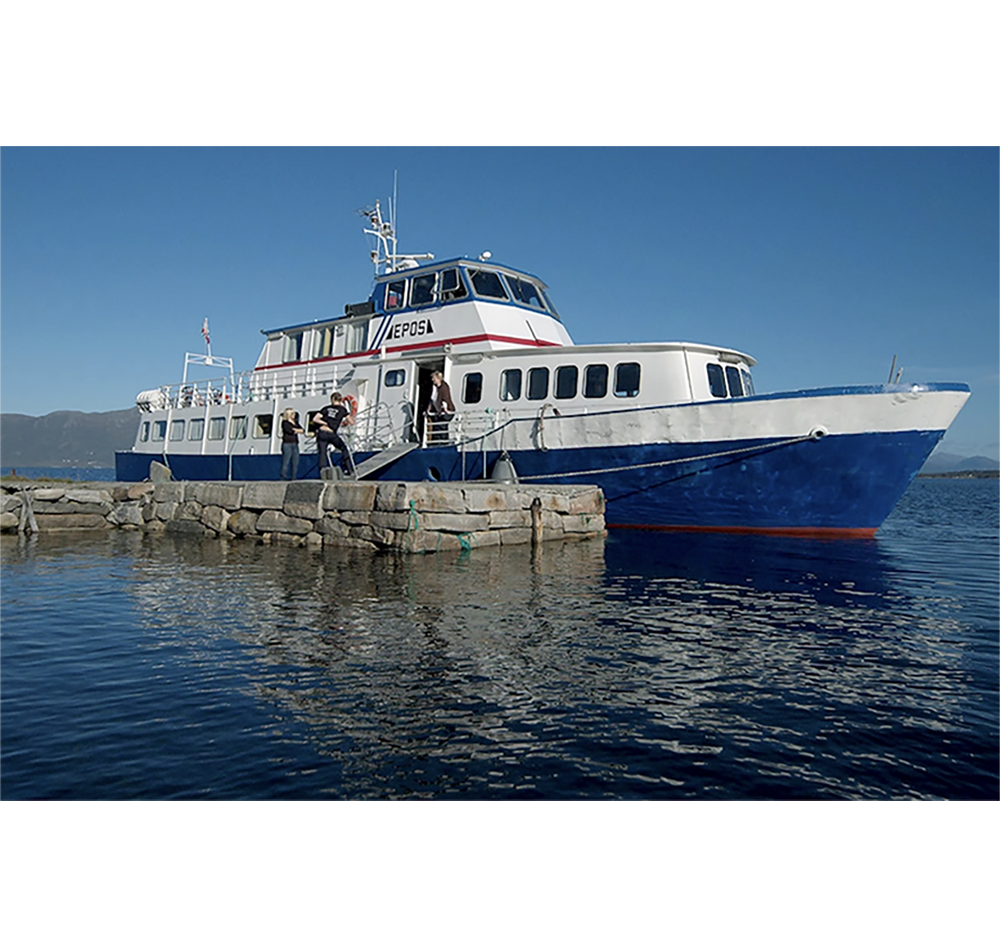
For decades, the 80-foot Epos — called Bokbåten in Norway, which is Swedish for “the book boat” — operated as a floating library, biannually visiting around 250 small communties tucked on isles and inlets along the west coast of Norway.
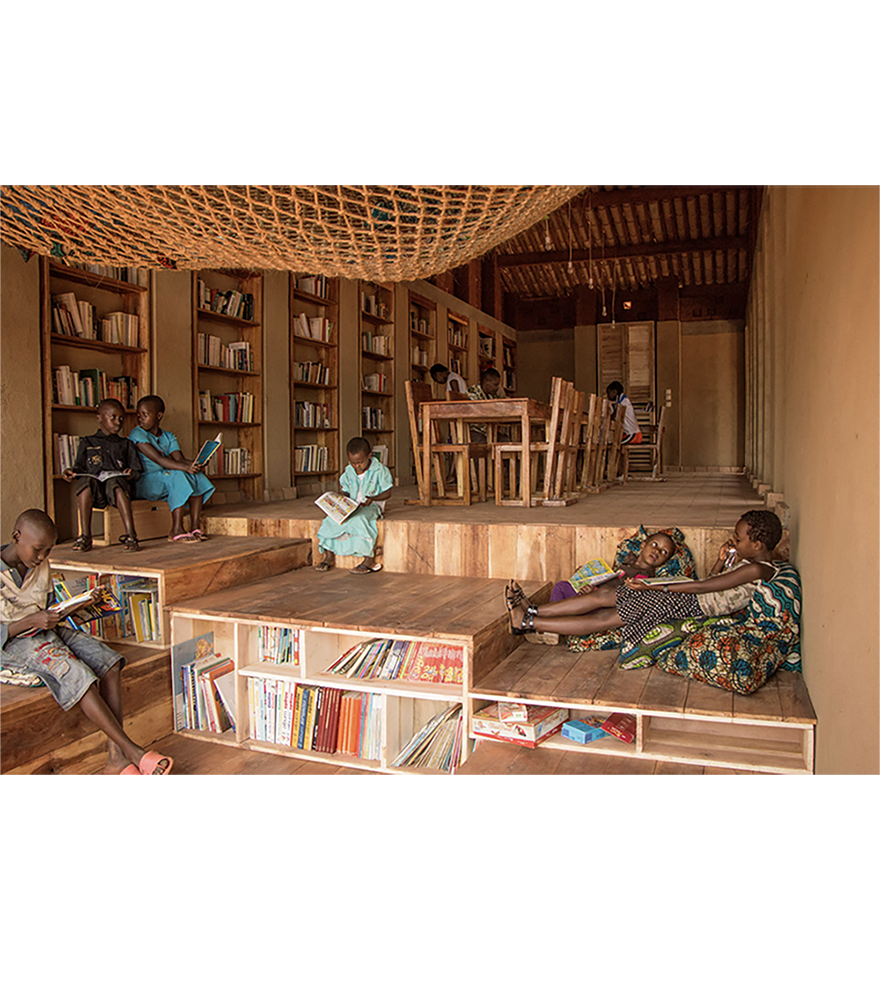
Designed as the first phase of an inclusive school for deaf children, the Library of Muyinga is a masterpiece of participatory architecture. BC architects worked alongside the local community to revive traditional building techniques, constructing the building entirely from Compressed Earth Blocks (CEB) and baked clay tiles.
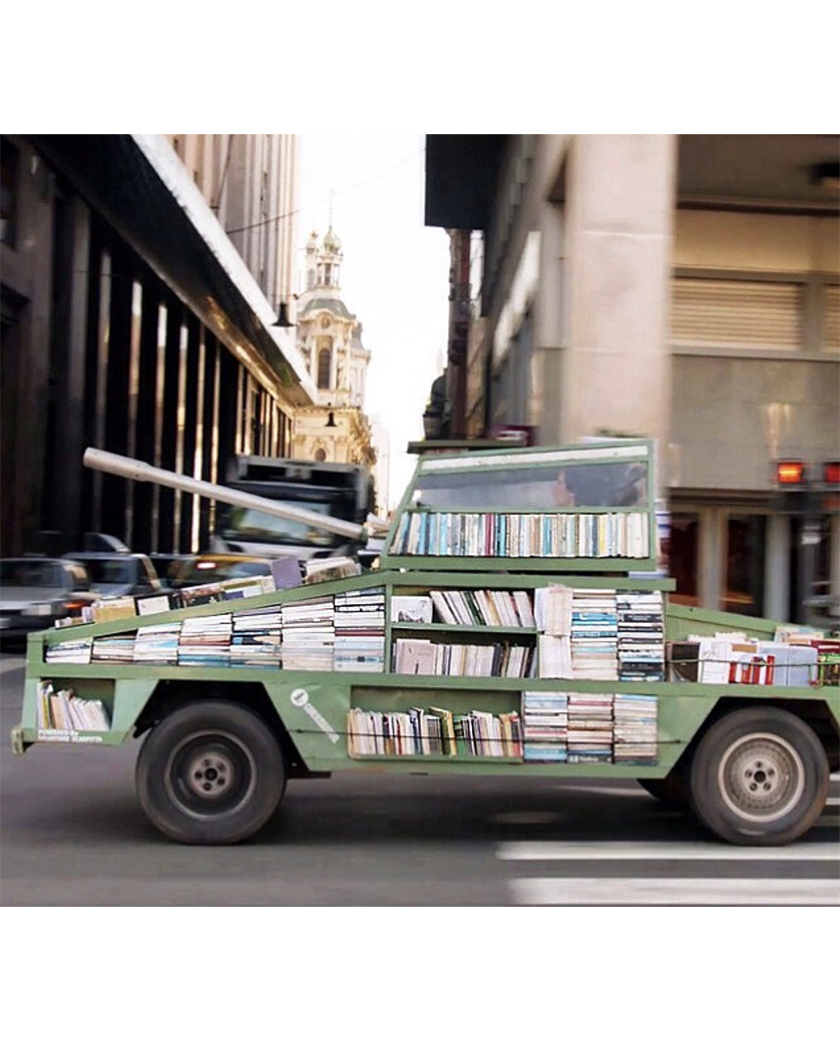
The War Tank, Buenos Aires, Argentina. A Weapon of Mass Instruction, the modified 1979 Ford Falcon translates violence into literacy by transporting over 2,500 books to low-resource schools. Raul Lemesoff began this project as a way to both protest weapons and promote peaceful coexistence with other cultures.
Reading is slow by design. That's the point. We build the idea ourselves, at our own pace, on our own terms.
Courage Drifter