
The Courage to Explore
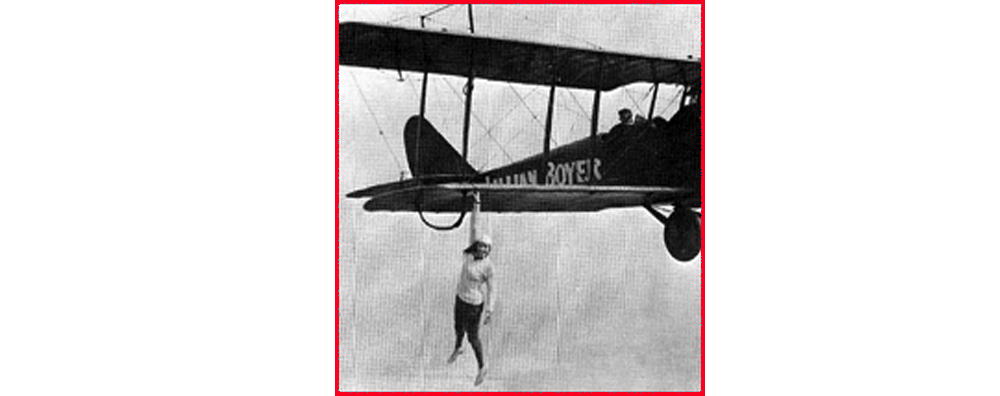
There's a certain kind of person who looks at a locked door and doesn't go looking for the key. They find a window instead. A crack in the wall nobody noticed. A door three streets over that gets them to the same place by a stranger route.
Exploring has never really been about maps. It's about what you're willing to give up — certainty, company, the comfort of knowing exactly how the story ends — in exchange for finding out who you become on the other side. That trade has never been easy, and it's never been optional for the people who felt the pull anyway.
History is full of them. Here are six women who looked at their locked doors and simply went around the building.
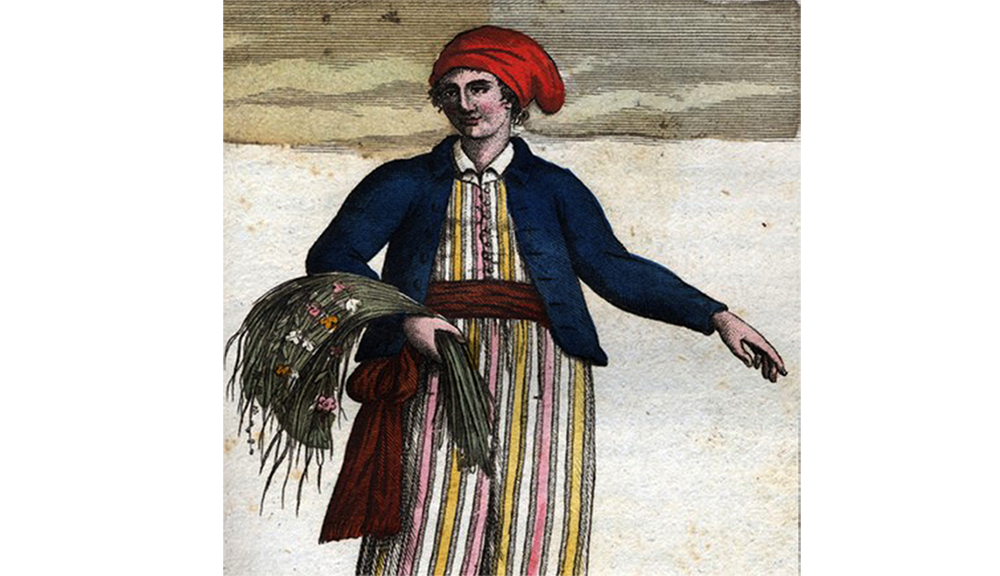
Jeanne Baret (1740–1807)
Jeanne Baret didn't just risk her life to see the world — she risked her freedom for the privilege of trying. In 18th-century France, women were legally barred from joining exploratory expeditions, full stop. So she cut her hair, bound her chest, and signed on as a ship's assistant naturalist under a man's name, sailing into years of cramped quarters, close calls, and constant discovery risk on a vessel where there was nowhere to hide a secret. By the time she stepped back on French soil, she'd become the first woman to circumnavigate the globe — a record earned in disguise, on a ship that would have thrown her off it had they known.
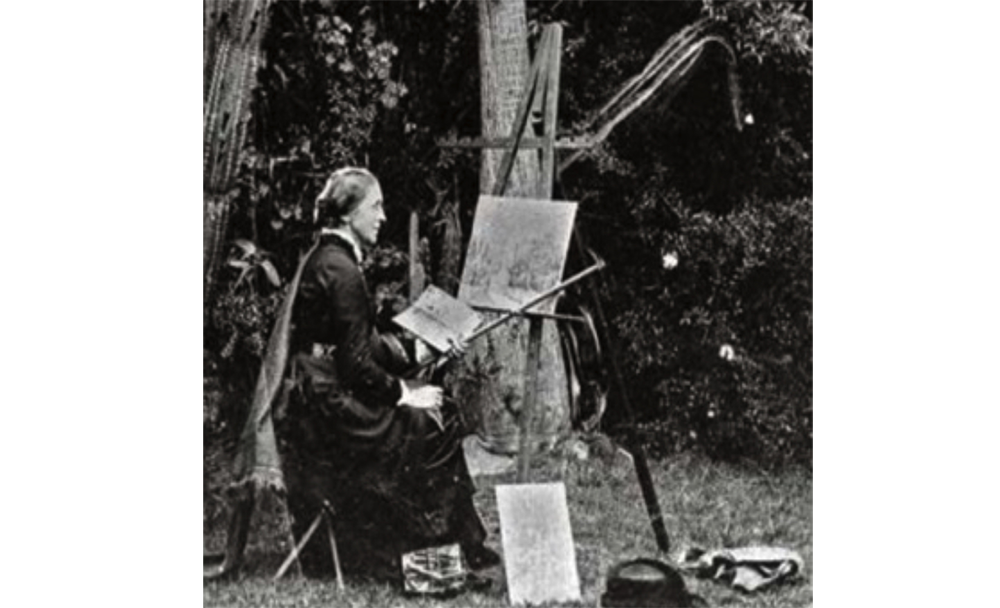
Marianne North (1830–1890)
Marianne North looked at the stiff, pressed botanical illustrations of Victorian England and decided they were lying about what plants actually looked like alive. So she went to find them herself. Alone, self-funded, and answering to no one, she travelled to every continent except Antarctica, trekking through the jungles of Brazil, Jamaica, Japan, and Australia with an easel on her back. She came home with over 800 paintings, capturing plant life no one had bothered to paint in its natural, untamed state. Her life's work now fills its own gallery at Kew Gardens in London — a building that exists because one woman refused to travel with an escort or wait for permission.
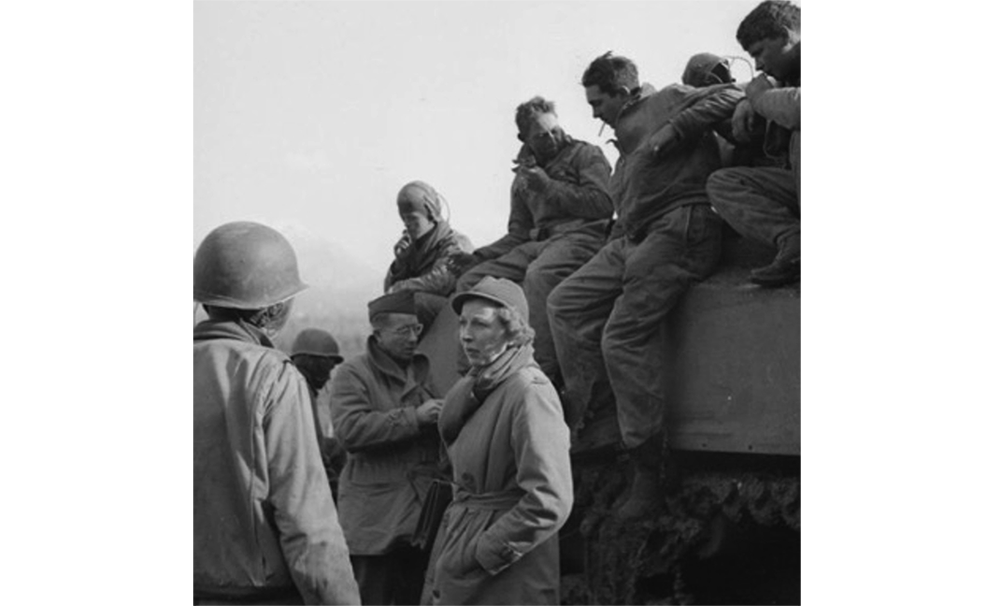
Martha Gellhorn (1908–1998)
Martha Gellhorn built an entire career out of walking toward the places everyone else was fleeing. She cut her teeth reporting on poverty during the Great Depression, then talked her way into covering the Spanish Civil War in 1937, a war zone for a woman, in an era that considered both facts disqualifying. She kept going: the buildup to World War II across Europe and the Far East, and on June 6, 1944, she became the only woman known to set foot on the beaches of Normandy, having stowed away on a hospital ship after being denied official press credentials. She went on to cover Vietnam and the conflicts between Israel and Palestine, spending a lifetime finding her way into rooms specifically built to keep her out.
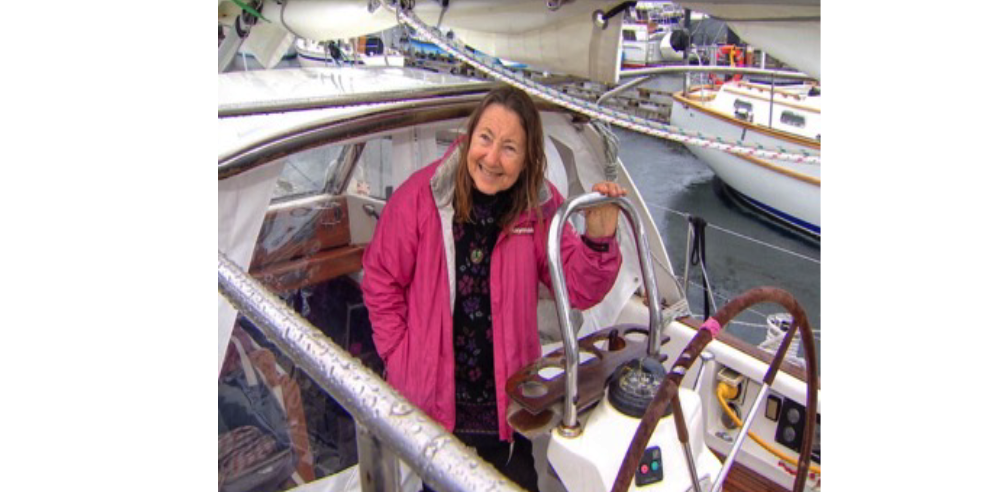
Jeanne Socrates (b. 1942)
A year before her solo circumnavigation, Jeanne Socrates broke her neck and several ribs. Most people would have called that a sign. She called it a delay. At age 77, she set out alone on her 38-foot cutter Nereida, sailing non-stop and unassisted for 320 days, with no crew, no support boat, and no one to blame or lean on if something went wrong. She finished it and became both the oldest woman and the oldest person ever recorded to circumnavigate the globe solo, non-stop, and unassisted — a Guinness World Record that had nothing to do with youth and everything to do with refusing to quit.
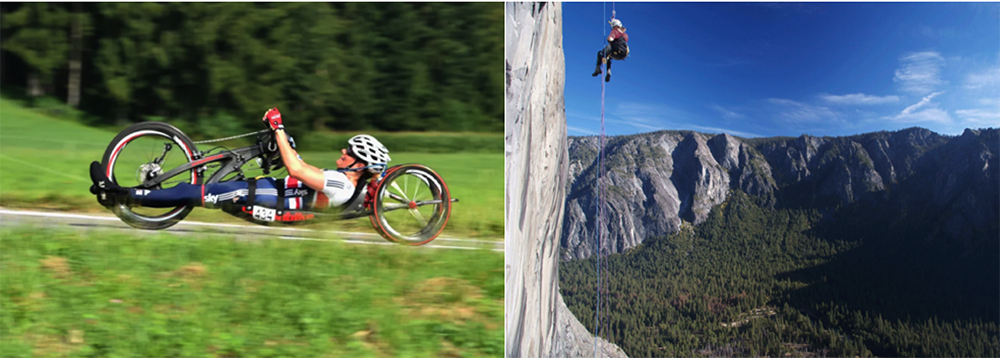
Karen Darke (b. 1971)
At 21, a mountaineering fall left Karen Darke paralyzed from the waist down. For a lot of people, that would be the last chapter of an outdoor life. For Darke, it turned out to be the first page of a much bigger one — she went on to hand-bike, sit-ski, and kayak across every continent on Earth, and to win two Paralympic medals along the way. She's also become an ambassador working to bring mental health and suicide awareness out of the shadows, because she's lived the truth that the hardest terrain a person crosses isn't always the one you can see on a map.
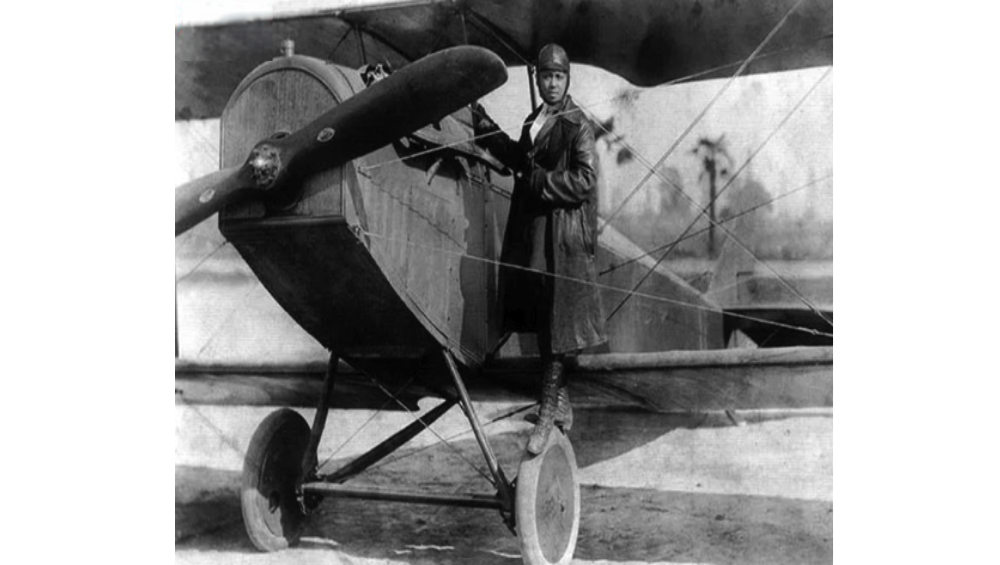
Bessie Coleman (1892–1926)
Bessie Coleman wanted to fly, and American flight schools — operating under strict racial segregation — refused to teach her because of the colour of her skin. So she taught herself French, saved enough to get herself to France, and trained there instead, in a language she'd learned specifically for this purpose. On June 15, 1921, she earned her international pilot's license, becoming the first African American and Native American woman ever to do so. When every school in her own country had locked its doors against her, she built herself a way to a completely different country.
The Thread Between Them
None of these women had it easy, and none of them were fearless — fearless isn't really a real thing. What they had was a door in front of them that wouldn't open, and a refusal to accept that as the end of the story. Baret found a disguise. North found a paintbrush and a ship ticket. Gellhorn found a hospital boat. Socrates found 320 days alone at sea. Darke found a hand-bike. Coleman found a whole new language.
Different doors, different windows — same unmistakable courage to go looking for one.
Avanti Coraggio,
Courage Drifter