
The Art of Travel Photography
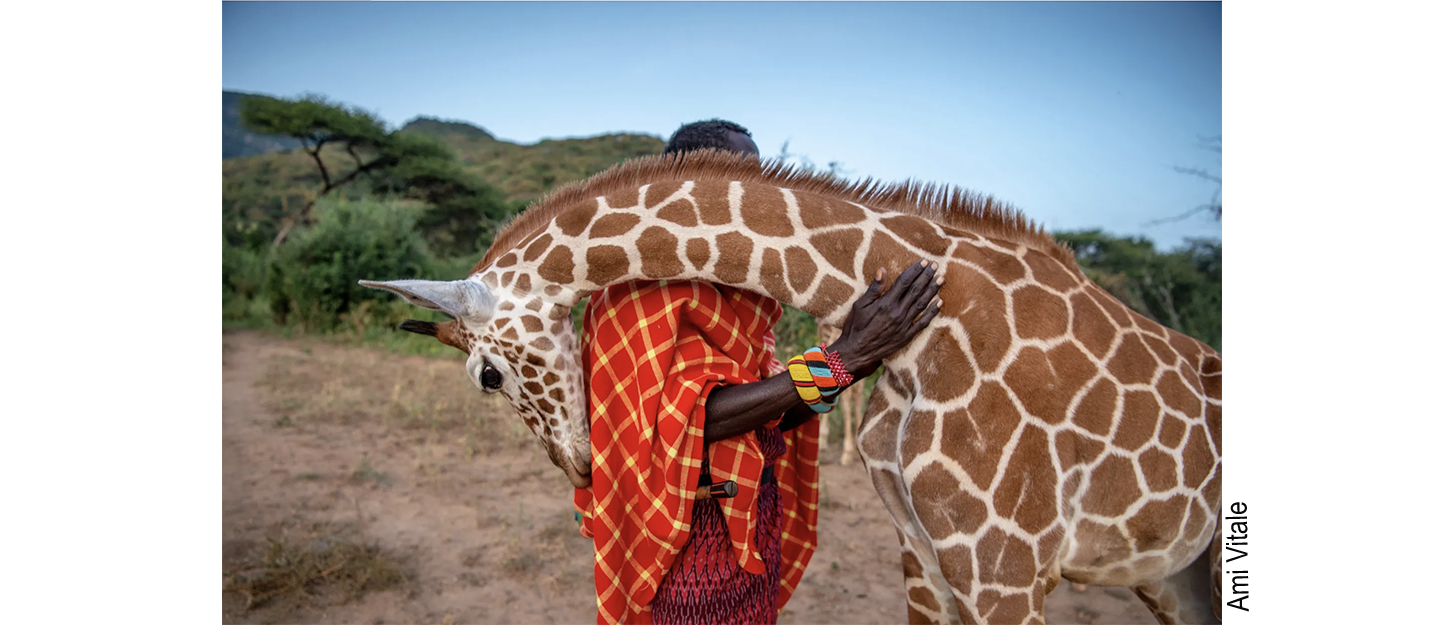
Women photographers have continually broken barriers to document, question, and transform how we see the globe. From early documentarians capturing global cultures to modern explorers pushing the limits of the earth, they have redefined the female perspective in travel and cultural documentation.
That female perspective is not simply a matter of who is holding the camera. It shows up in what gets photographed at all: the domestic interior instead of the monument, a shared meal instead of a staged ceremony, the pause before someone finds their language. Women photographers have often gained access that their male counterparts were denied outright — into homes, women's spaces, private grief, quiet routine — not because they asked for permission but because their presence read as less of an intrusion. The result is a body of work built less on spectacle than on trust, patience, and proximity. It is documentary photography that watches without extracting, and travel photography that lingers rather than passes through. The six photographers below built entire careers on that difference.
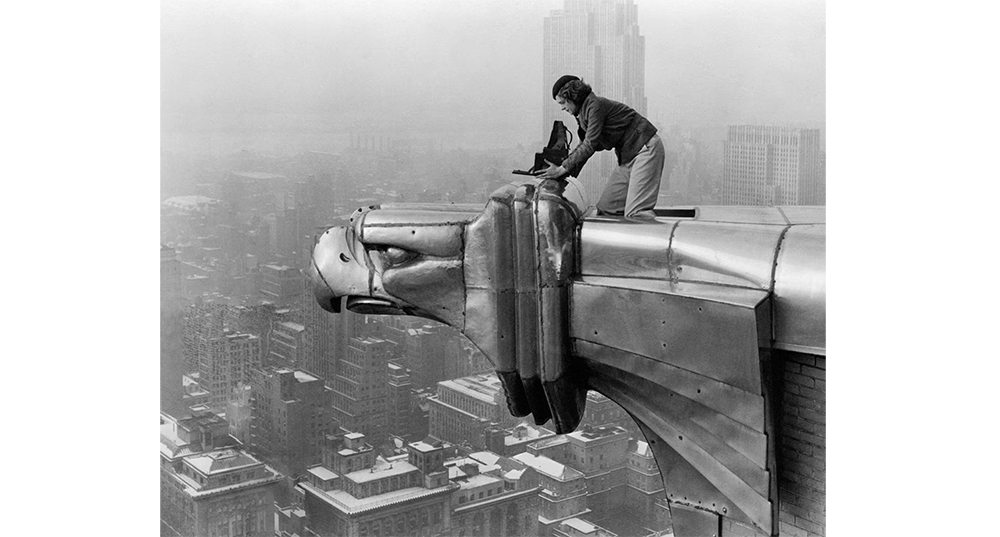
Margaret Bourke-White (1904-1971) built her career by getting into rooms no woman was supposed to enter. She was the first foreign photographer permitted to shoot Soviet industry, the first female staff photographer at LIFE, and the first woman granted access to combat zones in World War II. But the more interesting story isn't the list of firsts. It's what she did with that access. Her images of Partition and the Korean War don't just record atrocity from a distance; they linger on the specific, human scale of upheaval for a single family, a single face at a moment when most war photography was still oriented around strategy and spectacle. Her travel was institutional trespass first, and documentation second.
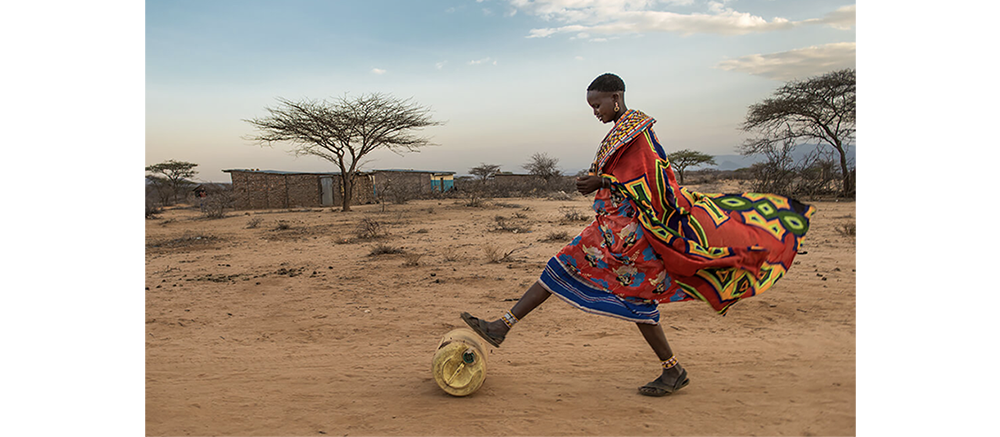
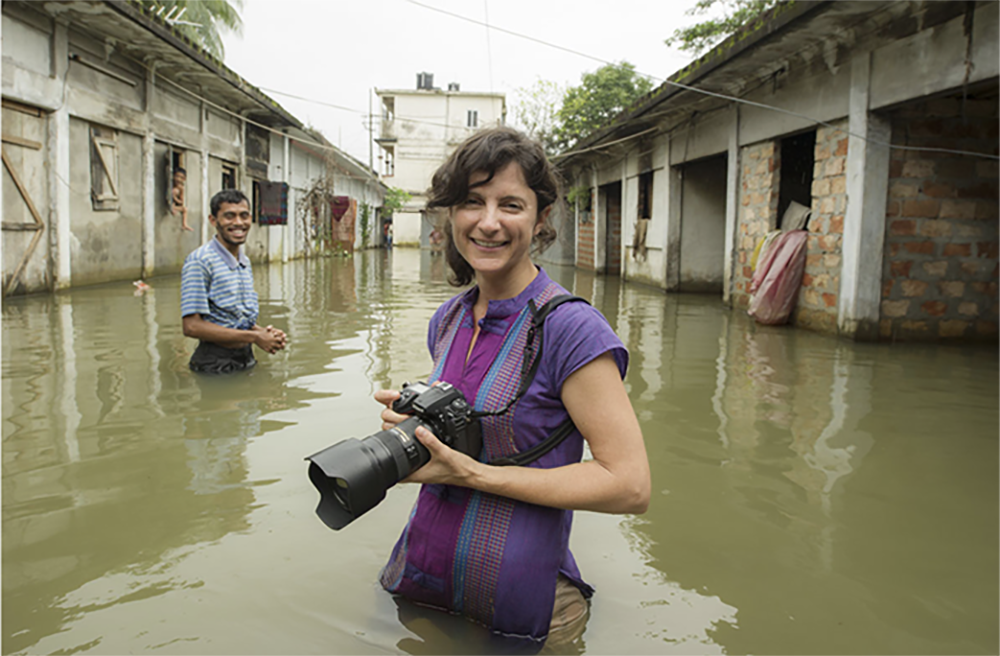
Ami Vitale (1971) started as a war photographer and walked away from it, choosing instead to spend years embedded with the communities she photographs across more than 110 countries. That shift matters: conflict photography rewards the photographer who arrives, extracts an image, and leaves; Vitale's conservation work — living alongside the keepers of the world's last northern white rhinos, for instance — depends on staying long enough to be trusted. Her travel photography isn't about covering distance so much as closing it.
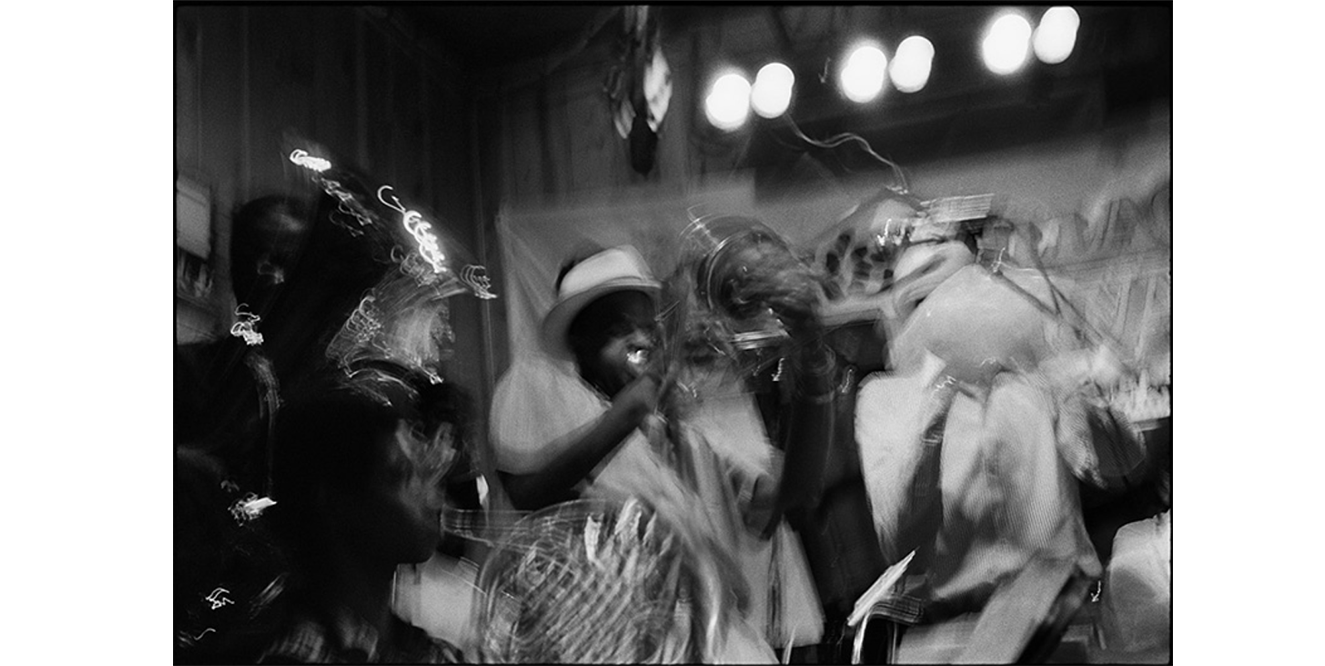
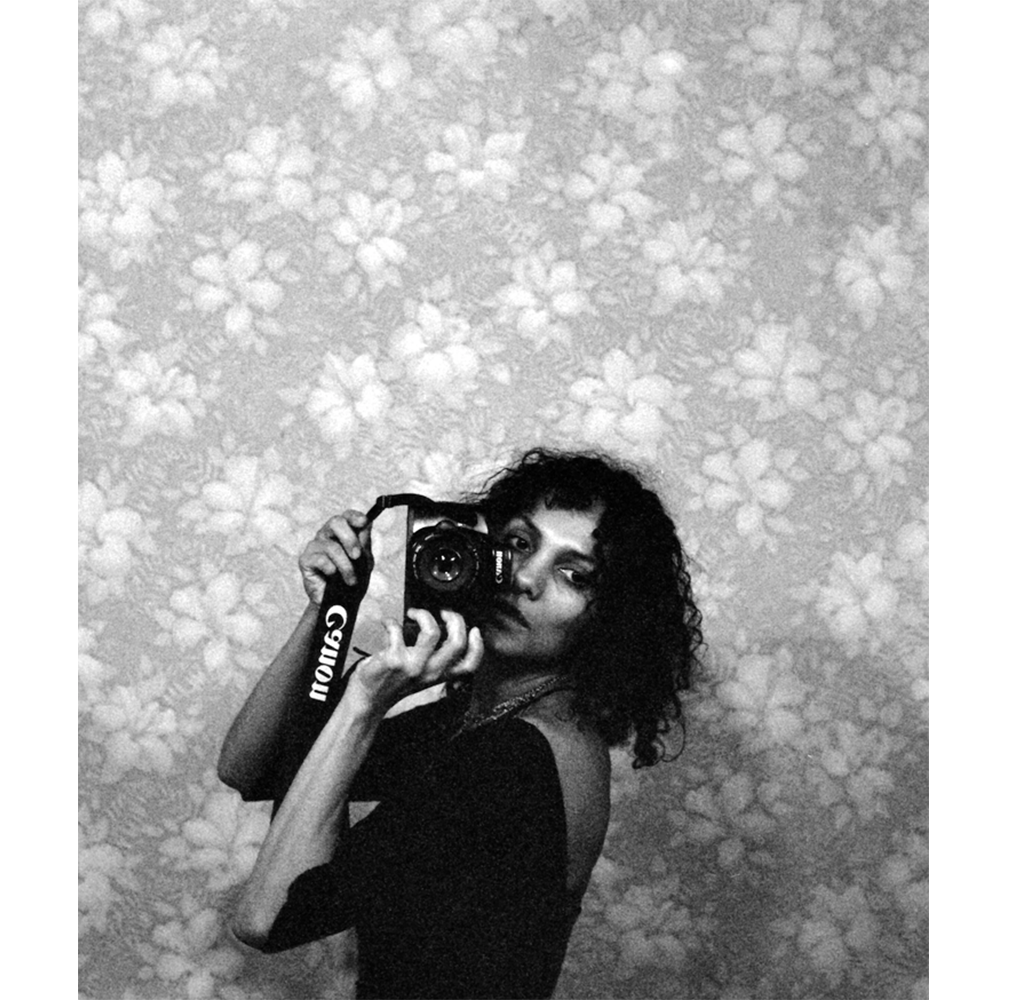
Ming Smith (1947) was the first African-American female photographer whose work was acquired by the Museum of Modern Art in New York City. Her photography focuses on black-and-white street photography, a format that she described as “you have to catch a moment that would never ever return again, and do it justice.” Smith has experimented with radical artistic interventions into her photographs, developing techniques pioneered by the early Surrealists.

Cristina "Mitty" Mittermeier (1966) trained as a marine biologist before she picked up a camera, and it shows: she didn't just photograph the relationship between indigenous communities, biodiversity, and climate change — she named the field around it, coining the term "conservation photography." Her stated position, that "art should not be passive, but participatory," is a direct rejection of travel photography as tourism-by-camera. Her images ask the viewer to take on some obligation to the place, not just admire it.
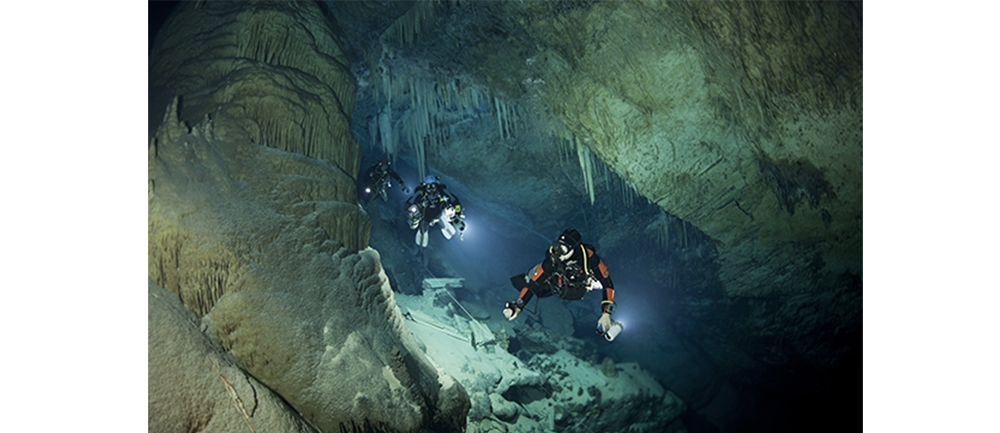
Jill Heinerth (1965) pushes travel photography past the edge of the map entirely. As a cave diver, she photographs places that have literally never been seen by anyone — flooded mines, submerged cave systems — where the risk isn't reputational or professional but physical. Her 2016 survey of the flooded Bell Island Mines wasn't an assignment so much as an act of first contact with a place. If most travel photography is about seeing the world differently, Heinerth's is about being the first person to see it at all.
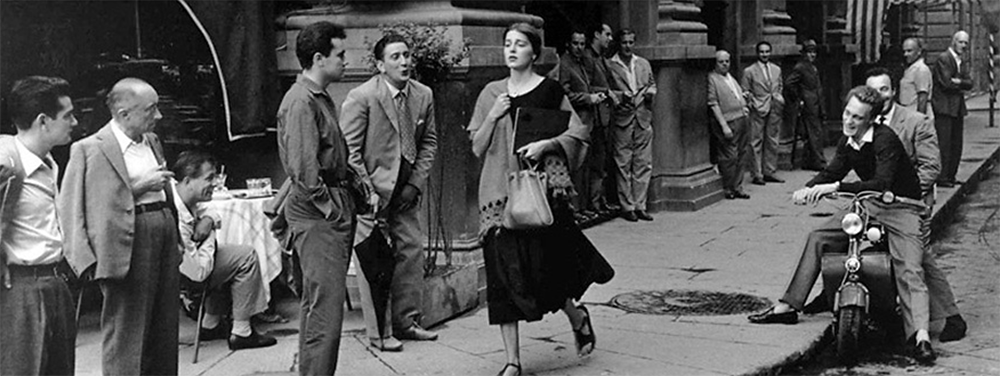
Ruth Orkin (1921-1985) was pushed out of cinematography by an all-male union and pushed her way into photojournalism instead, shooting for LIFE, Look, and The New York Times. Her 1951 image "American Girl in Italy" is the clearest distillation of what's at stake in this whole list: a woman alone in a foreign city, surrounded by the stares of men on the street. Read one way, it's a document of harassment. Read another, it's a portrait of a woman claiming public space and independent movement anyway. Orkin never resolved that tension for the viewer, and the photograph has stayed relevant for seventy years because of it.
What connects these six isn't subject matter: war, wildlife, street life, oceans, caves, sidewalks. It's a shared unwillingness to treat travel photography as conquest. Each of them got somewhere most photographers couldn't, and the way in was rarely brute access. It was patience, trust, or simply the willingness to stay long enough to be let in. Their work asks something more demanding of the viewer than admiration: it asks for the same attention they gave the place before they ever raised the camera.
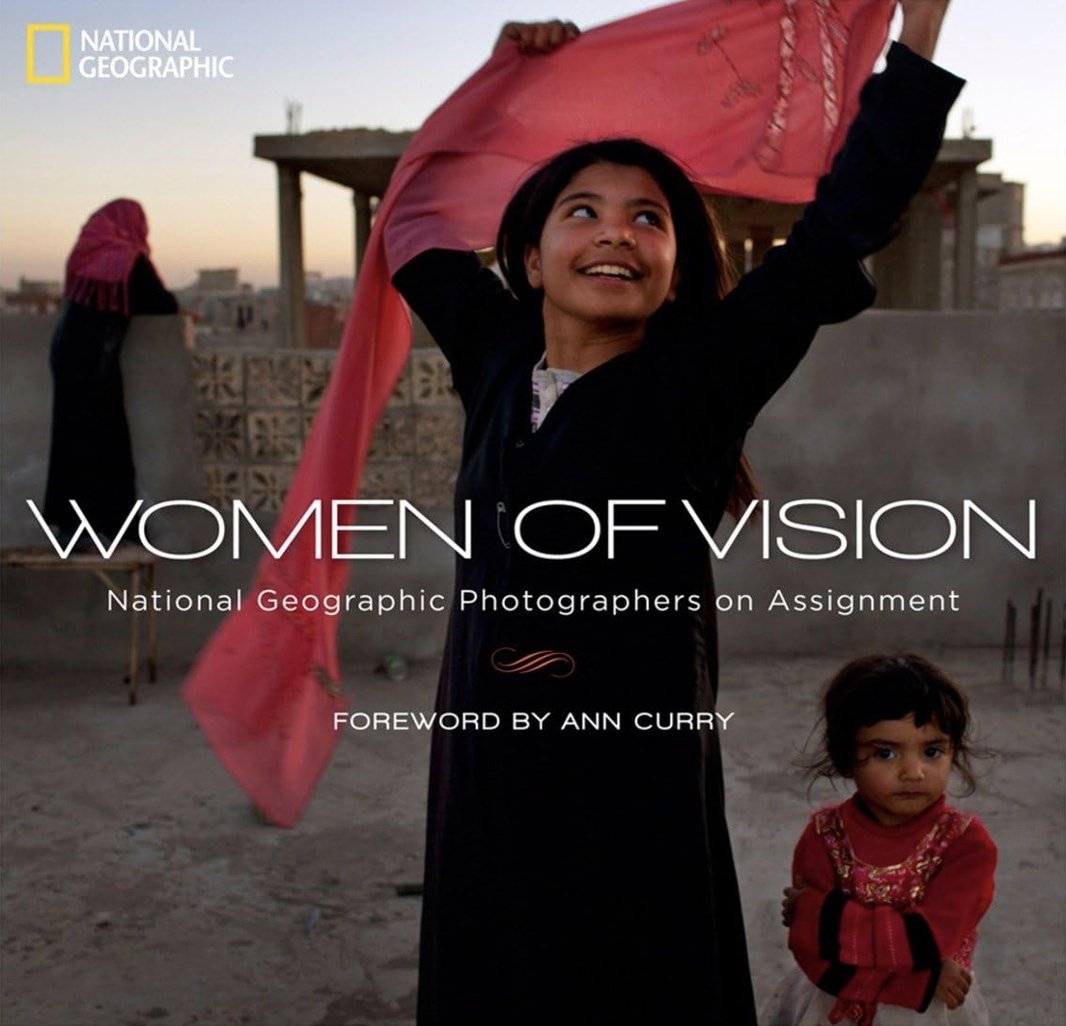
If you enjoyed this, Women of Vision: National Geographic Photographers on Assignment is worth adding to your shelf. It profiles eleven women photographers, Ami Vitale among them, through full biographies and large-format images from their assignments around the world. It's the kind of book built for slow reading and even slower looking, a fitting next stop for anyone who wants to sit with this perspective a while longer.
Hasta luego,
Courage Drifter