
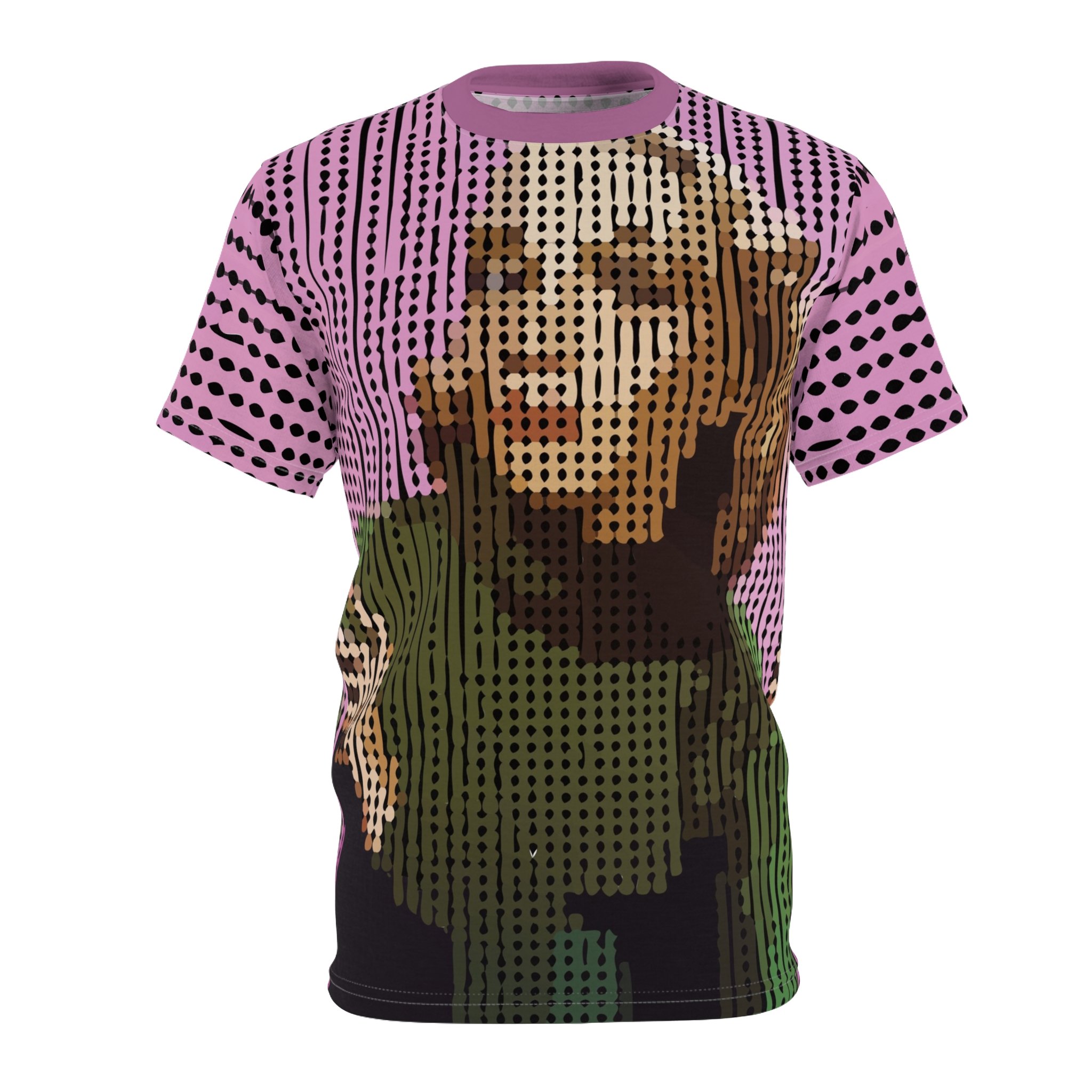
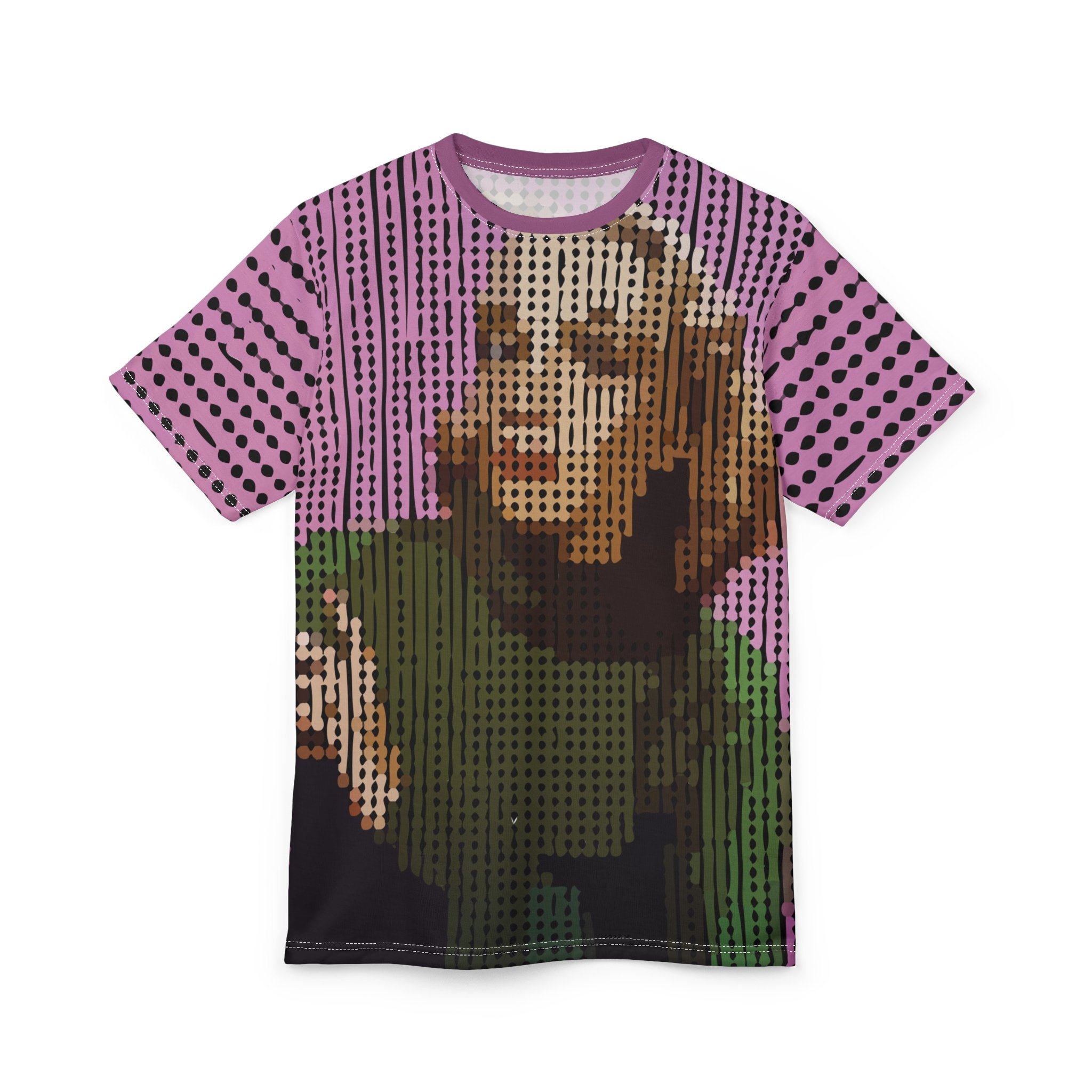
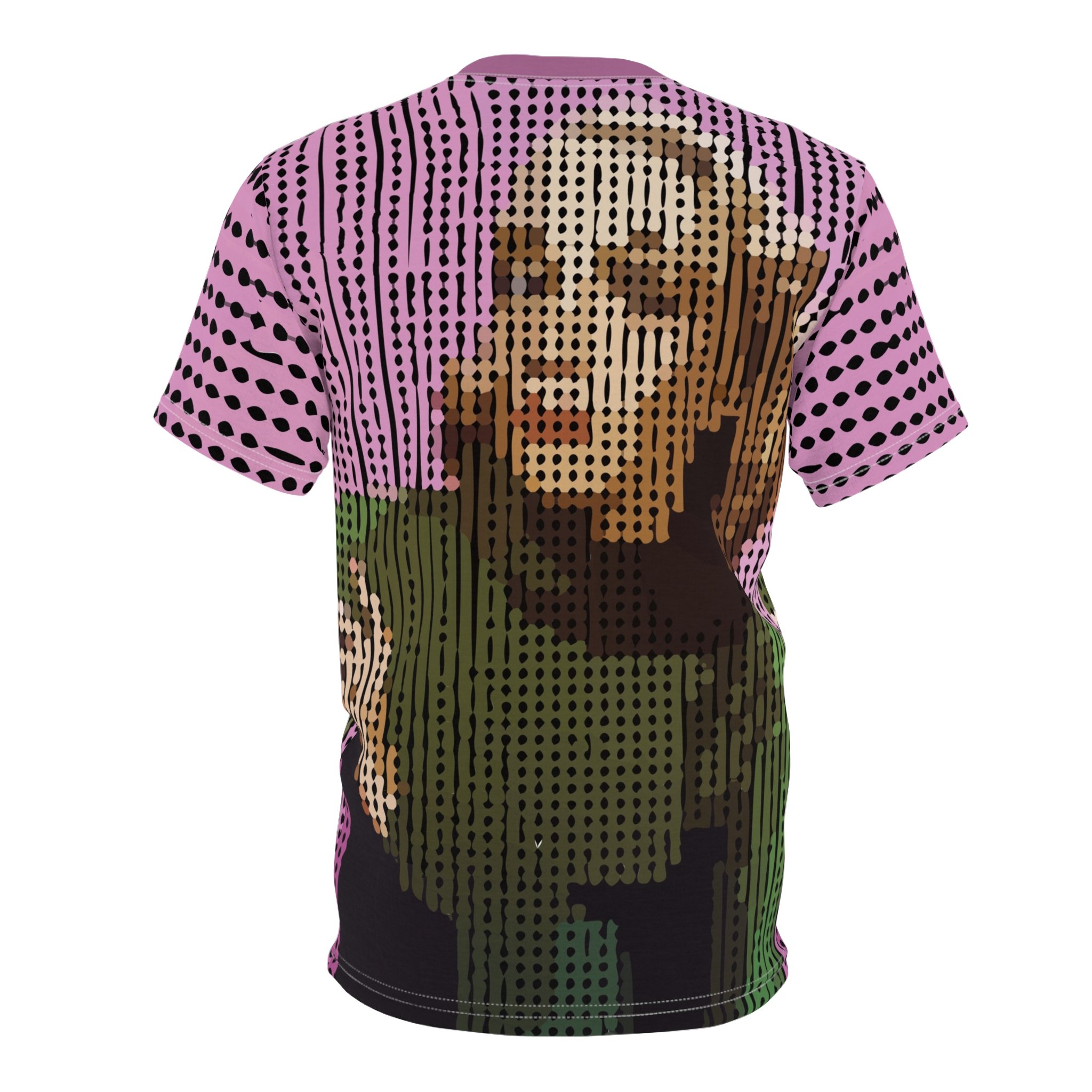
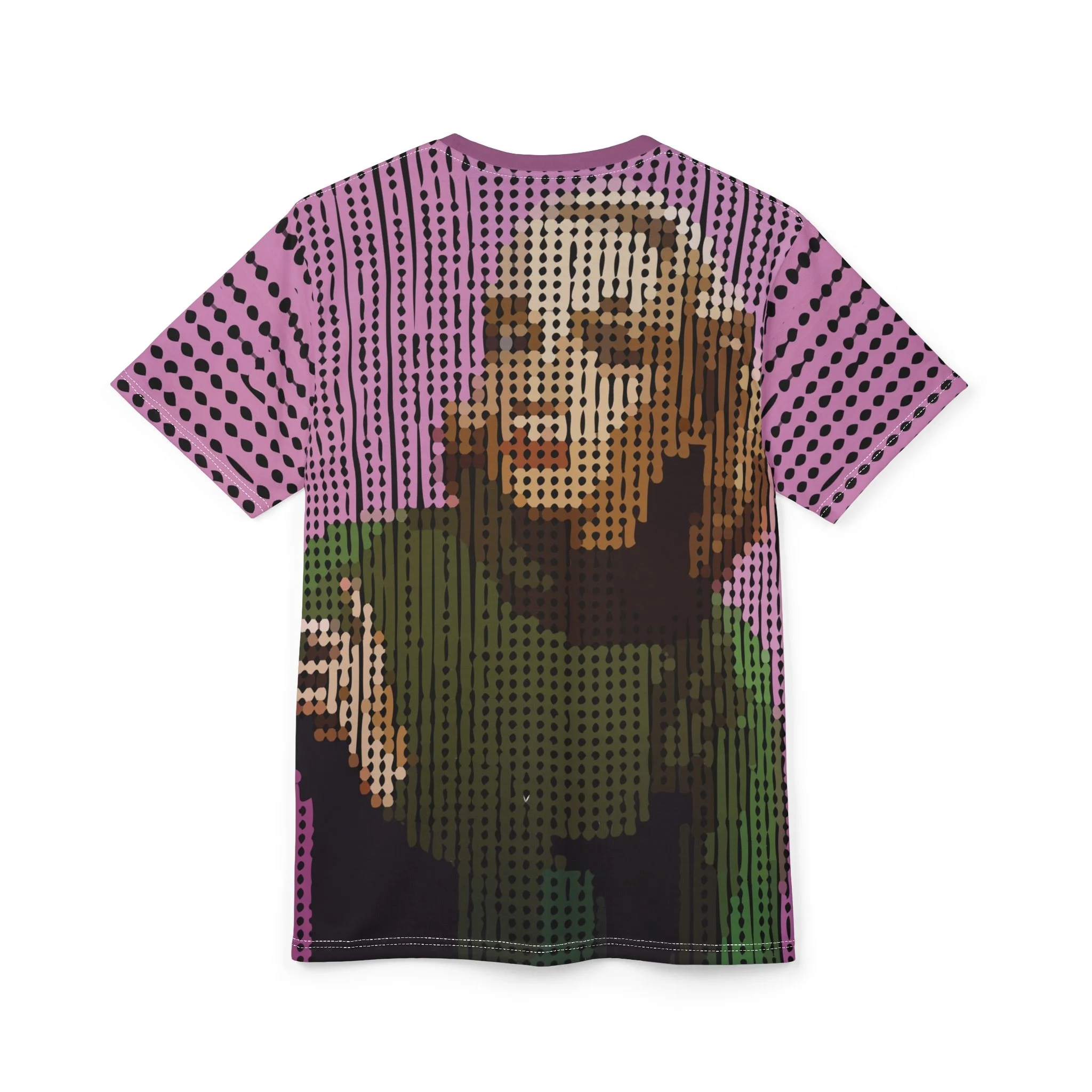
Born in Berlin in 1901, Marlene Deitrich rose to international fame after starring in the film Morocco. In one unforgettable scene, she appeared in a tuxedo and top hat, cool and composed, blurring the lines between masculine and feminine at a time when such defiance was radical. The look was not a costume. It was a statement.In 1930s Hollywood, where glamour often meant softness and sparkle, Dietrich sharpened it. She wore impeccably tailored suits, sculpted gowns, and bias cut satin that clung like liquid light. Designers such as Travis Banton helped craft her screen image, but it was Dietrich who controlled the narrative. She understood lighting, silhouette, and camera angles. She famously supervised how she was photographed, insisting on precise shadows that carved her cheekbones into legend.
Off screen, she continued to challenge convention. Trousers, tailored jackets, and menswear inspired silhouettes became part of her everyday wardrobe. In Paris, her wearing of slacks was once so controversial she was reportedly denied entry to certain establishments. She wore them anyway.Her style was not about decoration. It was about authority. She made androgyny elegant. She made strength sensual. She made discipline desirable.
Marlene Dietrich’s fashion legacy is this: style is power when it is intentional. She did not simply reflect the era. She reshaped it. she rose to international fame after starring in the film Morocco. In one unforgettable scene, she appeared in a tuxedo and top hat, cool and composed, blurring the lines between masculine and feminine at a time when such defiance was radical. The look was not a costume. It was a statement.In 1930s Hollywood, where glamour often meant softness and sparkle, Dietrich sharpened it. She wore impeccably tailored suits, sculpted gowns, and bias cut satin that clung like liquid light. Designers such as Travis Banton helped craft her screen image, but it was Dietrich who controlled the narrative. She understood lighting, silhouette, and camera angles. She famously supervised how she was photographed, insisting on precise shadows that carved her cheekbones into legend.
Marlene Dietrich’s fashion legacy is this: style is power when it is intentional. She did not simply reflect the era. She reshaped it.
Available Sizes: S–3XL
Born in Berlin in 1901, Marlene Deitrich rose to international fame after starring in the film Morocco. In one unforgettable scene, she appeared in a tuxedo and top hat, cool and composed, blurring the lines between masculine and feminine at a time when such defiance was radical. The look was not a costume. It was a statement.In 1930s Hollywood, where glamour often meant softness and sparkle, Dietrich sharpened it. She wore impeccably tailored suits, sculpted gowns, and bias cut satin that clung like liquid light. Designers such as Travis Banton helped craft her screen image, but it was Dietrich who controlled the narrative. She understood lighting, silhouette, and camera angles. She famously supervised how she was photographed, insisting on precise shadows that carved her cheekbones into legend.
Off screen, she continued to challenge convention. Trousers, tailored jackets, and menswear inspired silhouettes became part of her everyday wardrobe. In Paris, her wearing of slacks was once so controversial she was reportedly denied entry to certain establishments. She wore them anyway.Her style was not about decoration. It was about authority. She made androgyny elegant. She made strength sensual. She made discipline desirable.
Marlene Dietrich’s fashion legacy is this: style is power when it is intentional. She did not simply reflect the era. She reshaped it. she rose to international fame after starring in the film Morocco. In one unforgettable scene, she appeared in a tuxedo and top hat, cool and composed, blurring the lines between masculine and feminine at a time when such defiance was radical. The look was not a costume. It was a statement.In 1930s Hollywood, where glamour often meant softness and sparkle, Dietrich sharpened it. She wore impeccably tailored suits, sculpted gowns, and bias cut satin that clung like liquid light. Designers such as Travis Banton helped craft her screen image, but it was Dietrich who controlled the narrative. She understood lighting, silhouette, and camera angles. She famously supervised how she was photographed, insisting on precise shadows that carved her cheekbones into legend.
Marlene Dietrich’s fashion legacy is this: style is power when it is intentional. She did not simply reflect the era. She reshaped it.
Available Sizes: S–3XL